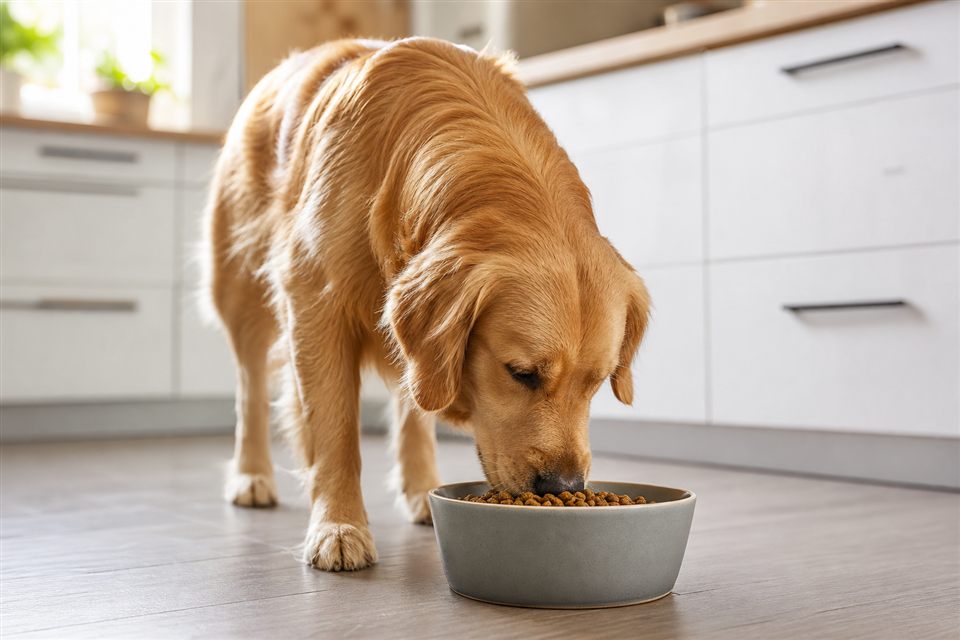
Elena made soft polenta for her family's dinner and set aside a plain scoop before stirring in butter and parmesan. Her Cocker Spaniel, Milo, had been eyeing the pot since the cornmeal started bubbling. She let a spoonful cool, broke off a nickel-sized piece, and Milo swallowed it before she could say "sit." No drama followed—just a contented sigh on the rug.
Key points at a glance
- Plain cooked polenta (cornmeal and water) is safe for most dogs in small portions
- Butter, cheese, salt, and garlic make polenta unsuitable for dogs
- Polenta is carb-heavy and offers limited nutritional value as a treat
- Let it cool fully before serving to avoid mouth burns
- Dogs with corn allergies or obesity should skip it
What is polenta, and is it safe?
Polenta is simply coarsely ground cornmeal cooked with liquid—usually water or broth—until thick and creamy. For dogs, the safe version is polenta made with water only, no salt, no fat, no seasonings. Corn itself is not toxic to dogs. Many commercial dog foods already contain corn as a carbohydrate source.
The problem is not the cornmeal. It is everything people normally add to make polenta taste good.
Why must butter and cheese stay out?
Butter adds saturated fat that can trigger pancreatitis in sensitive dogs, especially small breeds. Cheese brings lactose—which many adult dogs struggle to digest—and extra sodium. A rich polenta side dish loaded with dairy and salt is a stomachache waiting to happen.
Even "just a little" butter matters when the portion is repeated over time. Treats add up.
How should you serve polenta to your dog?
Cook polenta according to package directions using water only. Skip stock cubes; they are often high in sodium and may contain onion powder. Stir until smooth, then let it cool to room temperature. Hot polenta holds heat in a gel-like mass and can burn your dog's mouth.
Serve a small spoonful or cut firm-set polenta into cubes once it has cooled and set. Some owners spread a thin layer on a lick mat for enrichment.
| Dog size | Portion | Frequency |
|---|---|---|
| Small | 1 teaspoon | Occasionally |
| Medium | 1–2 teaspoons | Occasionally |
| Large | 1 tablespoon | Occasionally |
Occasionally means once a week or less. Polenta is filler, not fuel.
Are there any health benefits?
Polenta provides carbohydrates for energy and a small amount of iron and B vitamins from the corn. It is gluten-free, which matters only if your dog has a confirmed gluten sensitivity—a rare condition in dogs, though some owners prefer grain-free diets for other reasons.
The fiber content is modest. Do not expect polenta to solve constipation the way pumpkin might. It is mostly a bland, soft-textured novelty.
Can polenta help dogs with upset stomachs?
Bland carbohydrates sometimes appear in temporary bland diets for mild GI upset—think plain rice or plain potato under vet guidance. Polenta can serve a similar role because it is mild and soft when cooled to room temperature. It is not better than rice; it is just another option if your dog already tolerates corn. Always confirm with your veterinarian before substituting any ingredient during a stomach recovery period.
When should dogs avoid polenta?
Skip it if your dog is overweight, diabetic, or on a low-carb veterinary diet. Dogs with confirmed corn allergies—signs include chronic ear infections, itchy skin, or GI upset linked to corn-containing foods—should not eat polenta.
If your dog vomits or has loose stool after polenta, it may simply be too rich in carbs for their system, even plain. Move on to a different treat.
Elena saves a plain tablespoon when she makes polenta about once a month. Milo enjoys it, but his regular kibble still supplies everything he needs nutritionally. Before sharing human foods regularly, especially if your dog has pancreatitis history or food sensitivities, run the list past your veterinarian.