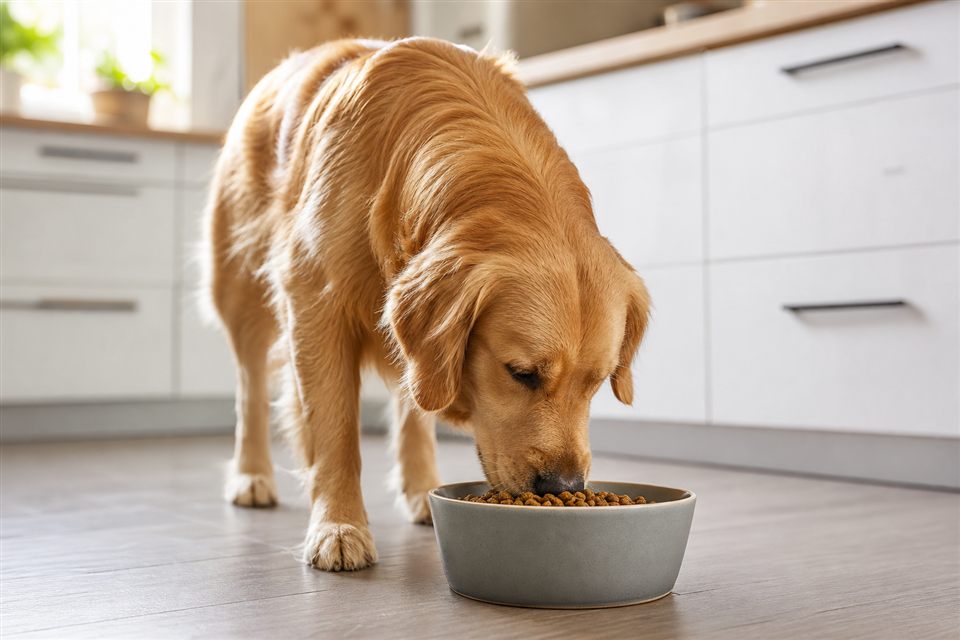
When Rachel roasted parsnips for Sunday dinner, her Labrador mix, Gus, parked himself by the oven and stared like it was prime rib. She had heard carrots were fine for dogs, but parsnips felt like uncharted territory. A quick chop-test later, Gus got a few soft cubes—and spent the rest of the evening napping instead of begging.
Key points at a glance
- Plain cooked parsnips are generally safe for most dogs in small amounts
- Always serve them soft, unseasoned, and cut into bite-sized pieces
- Parsnips offer fiber and vitamins but are higher in natural sugar than carrots
- Avoid raw parsnips, butter, salt, garlic, and large portions
- Dogs with diabetes or sensitive stomachs need vet guidance first
Are cooked parsnips safe for dogs?
Yes, for most healthy adult dogs, plain cooked parsnips are safe as an occasional treat. Cooking breaks down tough fibers and makes them easier to digest. The key word is plain: no salt, pepper, oil, butter, onion, or garlic. Those extras turn a harmless veggie into something that can upset your dog's stomach or worse.
Parsnips belong to the same plant family as carrots and parsley. They are not toxic to dogs. What matters is portion size and how you prepare them.
How should you prepare parsnips for your dog?
Steam, boil, or roast parsnips without any seasoning until they are fork-tender. Raw parsnips are hard to chew and can cause choking, especially in smaller breeds. Peel them if the skin looks tough, though a thin peel on well-cooked parsnips is usually fine.
Cut pieces to match your dog's size. A Great Dane can handle thumbnail-sized cubes. A Yorkie needs pea-sized bits. Mash works well for senior dogs with dental issues.
| Dog size | Suggested portion | Frequency |
|---|---|---|
| Small (under 20 lbs) | 1–2 teaspoons mashed | Once or twice weekly |
| Medium (20–50 lbs) | 1–2 tablespoons | Once or twice weekly |
| Large (50+ lbs) | 2–3 tablespoons | Once or twice weekly |
Treats—including vegetables—should stay under 10% of daily calories.
What nutrients do parsnips provide?
Parsnips contain fiber, potassium, folate, and vitamin C. The fiber can support regular bowel movements when introduced slowly. The natural sugars that make parsnips taste sweet also mean they are slightly higher in carbohydrates than green beans or zucchini.
That sweetness is why dogs like them. It is also why parsnips are not ideal for dogs managing weight or blood sugar without a vet's input.
When should you skip parsnips?
Hold off if your dog has a history of pancreatitis, irritable bowel disease, or diabetes unless your veterinarian approves. Watch for gas, loose stool, or vomiting after the first serving. Any new food can trigger an upset stomach, so start with one small piece and wait 24 hours.
Dogs allergic to related plants are rare, but itching, ear inflammation, or diarrhea after eating parsnips means stop and call your vet.
Can puppies eat cooked parsnips?
Puppies over eight weeks old can try a tiny amount of plain cooked parsnip once their regular food is established. Their digestive systems are still developing, so keep portions smaller than you would for an adult. Parsnips should never replace puppy formula or balanced puppy kibble.
Parsnips vs carrots: which is better for dogs?
Carrots are the more common dog-friendly root vegetable—and for good reason. They are lower in sugar, crunchier when raw, and widely tolerated. Parsnips offer a similar fiber profile with a sweeter taste that some dogs prefer. Rotating between plain cooked carrots and parsnips keeps treat time interesting without overloading either vegetable. If your dog already eats carrots without issue, parsnips are a reasonable next step at the same portion sizes.
Rachel now keeps a small container of plain roasted parsnip cubes in the fridge for Gus. He gets two or three a few times a week, and his regular meals stay unchanged. If your dog has ongoing health conditions or you are unsure about portions, ask your veterinarian before adding parsnips to the rotation.