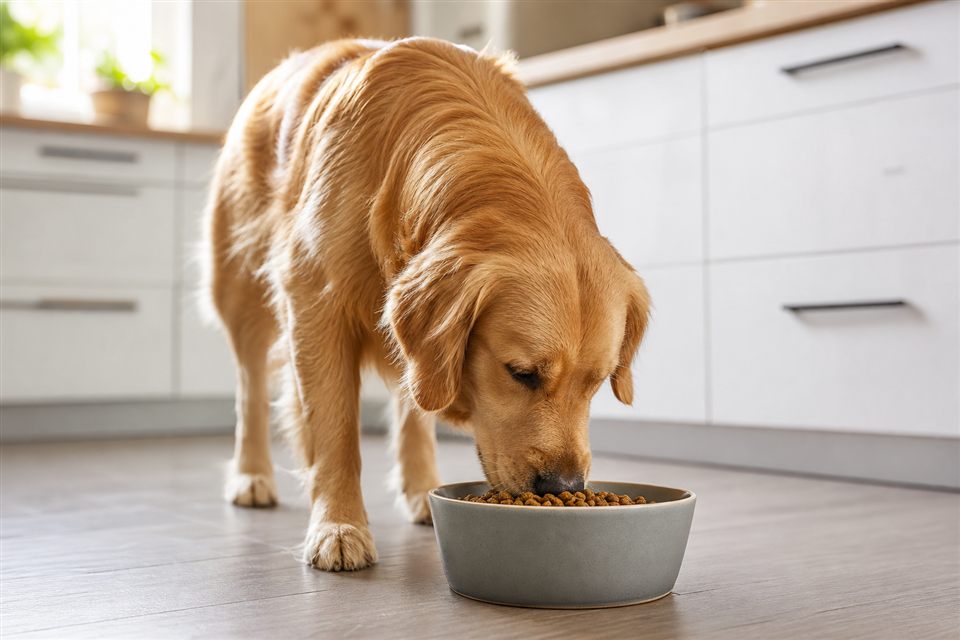
Keisha grew up eating okra stew on Sundays, and her pit bull mix, Zeke, has strong opinions about anything simmering on the stove. When she pulled a plain boiled pod from the pot—no cayenne, no bacon grease, no cornmeal batter—Zeke sniffed it twice and then swallowed it whole. Keisha laughed, then wondered whether okra was a harmless southern side dish for dogs or something her vet would raise an eyebrow at.
Key points at a glance
- Plain cooked okra is generally safe for dogs in moderation.
- Boiling or steaming is safer than fried or heavily seasoned okra dishes.
- Okra provides fiber, vitamin C, and vitamin K in small amounts.
- The slimy texture is normal but may cause gagging in picky eaters.
- Fried okra, pickled okra, and gumbo seasonings are not dog-safe.
- Introduce slowly to avoid loose stool from fiber.
Is okra safe for dogs?
Fresh okra pods are non-toxic to dogs when cooked plain. Many dogs ignore the vegetable entirely; others treat it like a novelty. Raw okra is tougher to digest and more likely to cause stomach upset, so gentle cooking is the better route.
What gets dogs into trouble is not okra itself but how humans prepare it. Southern fried okra soaks up oil and salt. Pickled okra brines are too acidic and salty. Gumbo often contains onion, garlic, and spicy seasonings that dogs should never eat.
Nutritional benefits
Okra is low in calories and contains soluble fiber, which can support digestive health in dogs that tolerate fiber well. It also offers vitamin C, vitamin K, folate, and magnesium. None of these nutrients require okra specifically—your dog's balanced food already covers the essentials—but okra can add variety as an occasional topper.
| Preparation | Safe for dogs? |
|---|---|
| Boiled or steamed plain | Yes, in small portions |
| Raw whole pods | Not recommended |
| Fried okra | No — excess fat and salt |
| Pickled okra | No — high sodium and vinegar |
| Okra in seasoned gumbo | No — toxic ingredients likely |
How to prepare okra for your dog
Wash fresh okra and trim the stem end. Boil or steam whole small pods or sliced pieces until tender. Avoid overcooking to mush unless your dog prefers softer food. Let pods cool, then cut them into bite-sized segments to reduce choking risk.
If the slimy interior bothers your dog, try shorter cooking times or mixing a small amount into regular food so the texture hides in the bowl.
Portion sizes
Okra should remain a side note in your dog's diet:
- Small dogs: 1–2 small pieces
- Medium dogs: 2–3 pieces
- Large dogs: 3–5 pieces
Offer okra no more than once or twice a week. Dogs with sensitive stomachs or a history of pancreatitis should skip high-fiber experiments unless your vet suggests otherwise.
Possible side effects
Increased gas and soft stool are the most common reactions when dogs eat too much okra too quickly. Whole pods swallowed without chewing may pass undigested or, rarely, cause obstruction in very small dogs. Watch your pet after the first serving.
Allergic reactions to okra are uncommon but possible. Stop feeding it if you notice itching, hives, vomiting, or facial swelling.
Okra compared to other dog-safe vegetables
Green beans, zucchini, and plain pumpkin share okra's low-calorie profile but skip the signature slime. If Zeke rejected okra on round two, Keisha planned to rotate those alternatives instead of forcing a texture he clearly disliked. Variety keeps treat time interesting without repeating ingredients that upset his stomach.
Frozen okra works for cooking if fresh pods are unavailable. Thaw before boiling and skip breaded frozen okra meant for air fryers—that coating adds salt, flour, and fat dogs do not need.
When to talk to your vet
Call your veterinarian if your dog vomits repeatedly, refuses meals, or develops diarrhea lasting more than a day after eating okra. Seek emergency care if your dog shows signs of choking or intestinal blockage, such as repeated retching without producing vomit, a distended abdomen, or extreme lethargy.
This article is for general educational purposes and does not replace personalized guidance from your dog's veterinarian.