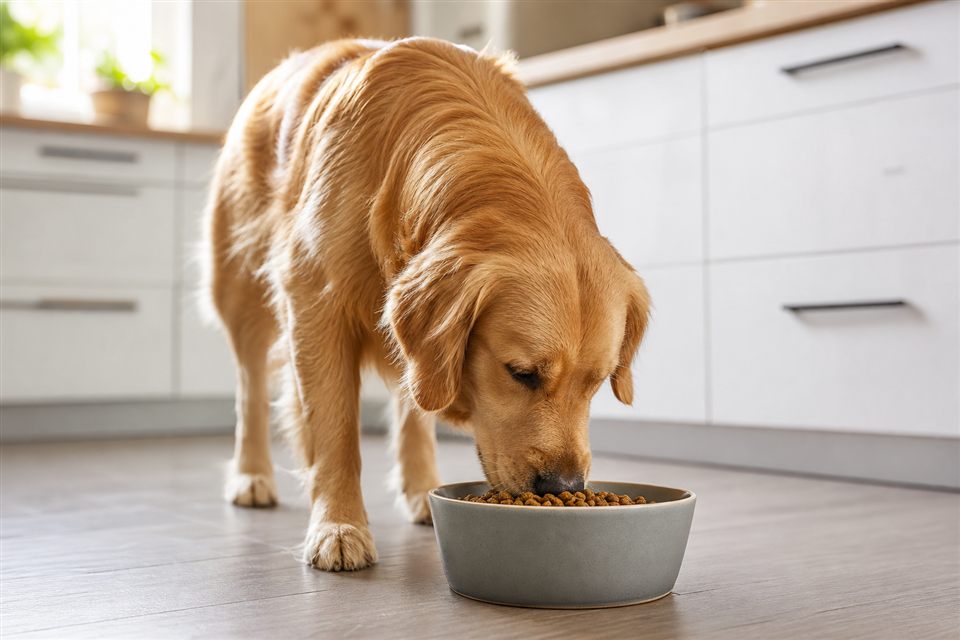
Tom made couscous for a quick side dish and wondered if his Labrador, Biscuit, could have a spoonful before he reached for the garlic salt. Biscuit had already been eyeing the pot. Tom scooped out a plain portion, let it cool, and Biscuit ate it like it was the main event — which told Tom more about Biscuit's enthusiasm than couscous's nutritional value.
Key points at a glance
- Plain cooked couscous is safe for most dogs without wheat allergies.
- It should be an occasional add-on, not a meal replacement.
- Couscous cooks faster than pasta but offers similar limited nutritional value for dogs.
- Avoid seasoned, boxed, or pre-flavored couscous mixes entirely.
- Dogs with gluten sensitivity or grain-free diet requirements should skip it.
What couscous actually is
Couscous looks like a grain but is technically tiny steamed balls of durum wheat semolina. That wheat base matters if your dog has a known grain allergy or if you've been feeding a grain-free diet for medical reasons. For the average healthy dog without wheat issues, plain couscous digests about as easily as plain white rice or pasta — which is to say, fine in small amounts, not remarkable.
Cooked plain couscous is soft, low in fat, and easy to mix into bland meals when your dog has temporary stomach upset. Vets sometimes recommend plain starches alongside boiled chicken during short recovery periods. Couscous works in that role, though rice is still the more common recommendation because it's even gentler and less likely to contain added ingredients.
Couscous vs. pasta — is one better?
Neither couscous nor pasta is nutritionally superior for dogs. Both are mostly carbohydrates with minimal protein, vitamins, or minerals once cooked. The honest comparison comes down to preparation and what's typically added.
| Factor | Plain couscous | Plain pasta |
|---|---|---|
| Cooking time | 5 minutes | 10–15 minutes |
| Texture | Fine, soft grains | Chewy strands or shapes |
| Choking risk | Low if not clumped | Higher with long noodles |
| Typical seasonings in human meals | Often pre-seasoned in boxes | Often served with sauce |
| Calorie density (cooked) | Similar | Similar |
If your dog tolerates one better than the other, that's the one to use.
Safe serving guidelines
Treat couscous like any other starchy human food — measured and infrequent.
For a medium dog around 40 pounds, one to two tablespoons of plain cooked couscous mixed into regular food is reasonable. Large breeds can handle up to a quarter cup occasionally. Small dogs should get no more than a teaspoon or two.
Cook couscous with water only. Boxed varieties often include salt, oil, or flavor packets — discard those entirely. If the label lists anything beyond semolina, don't feed it to your dog. Let it cool to room temperature; hot starches can burn mouths and don't offer any benefit.
When couscous is a bad idea
Dogs diagnosed with wheat allergies or celiac-like sensitivities should not eat couscous. Signs of grain intolerance include chronic ear infections, itchy skin, recurrent paw licking, and soft stool that improves on grain-free food. Adding couscous to test that theory isn't worth the discomfort.
Diabetic dogs need tightly controlled carbohydrates. A spoonful of couscous can disrupt glucose management if given unpredictably. Overweight dogs also benefit from fewer calorie-dense extras; couscous adds calories without much protein or fiber to keep them full.
Dogs with yeast skin infections sometimes worsen on high-carbohydrate foods — follow your vet's guidance during treatment. The best use for couscous is short-term bland-diet filler alongside plain boiled chicken, not as a daily substitute for balanced dog food.
The bottom line
Plain cooked couscous with no seasoning is safe for most dogs in small portions, and it's neither better nor worse than plain pasta for occasional use. It's a convenience food for humans that dogs can share in moderation — not a health upgrade. Keep servings small, skip the flavor packets, and choose rice or a vet-approved bland diet if your dog's stomach is already unsettled.
This article is for general informational purposes only and does not replace advice from your veterinarian. Always consult your vet before introducing new foods, especially if your dog has existing health conditions.