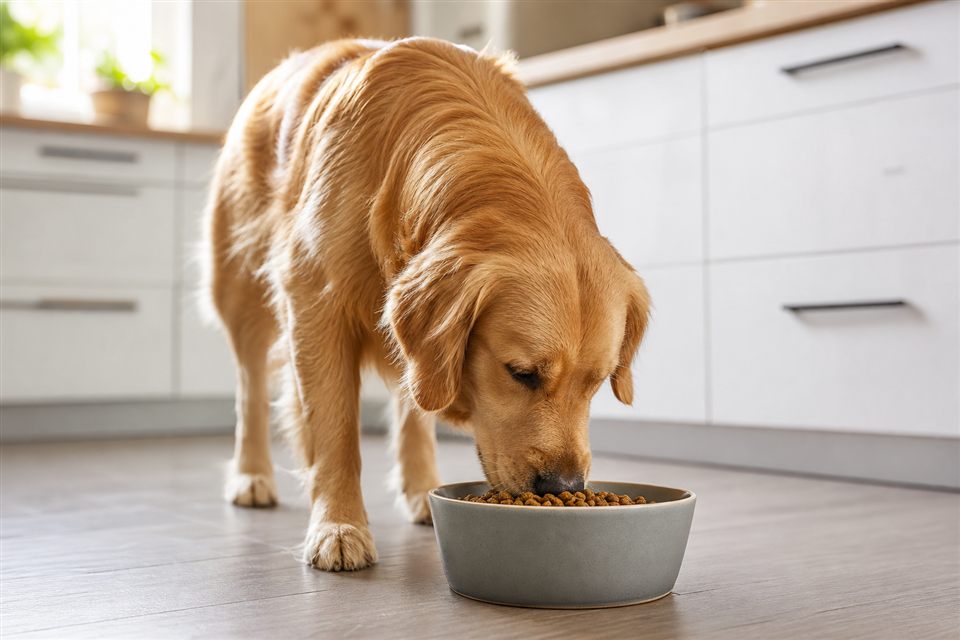
After a cold weekend, Denise stirred a pot of beef barley soup and her golden retriever, Hobbes, parked himself by the stove with the patience of a monk. Denise knew better than to ladle him a bowl of the finished soup—but she wondered whether the plain barley she rinsed before adding might be fair game once cooled.
Key points at a glance
- Plain cooked barley—water only, no salt, broth, or seasonings—is generally safe for healthy dogs in moderate portions.
- Barley provides soluble fiber that can support digestion and help firm soft stools in some dogs.
- Seasoned barley soup often contains onion, garlic, excess sodium, and fat—all problematic or toxic for dogs.
- Beer barley and malt products are not appropriate; alcohol and brewing additives harm dogs.
- Start with one to two tablespoons for medium dogs and watch for gas or bloating.
- Dogs with grain allergies, celiac-like sensitivities, or inflammatory bowel disease may not tolerate barley.
- Barley should supplement a complete diet, not replace protein-rich meals.
Plain barley versus soup barley: not the same food
The barley grain itself—hulled or pearled—is a whole or refined grain rich in beta-glucan fiber. When you cook it in plain water until soft, you get a bland, chewy starch that most dogs digest without issue. That is the form worth offering as an occasional mix-in.
Barley soup is a different animal entirely. Commercial and homemade soup recipes rely on stock cubes, bouillon, soy sauce, or table salt for flavor. A single cup of canned barley soup can exceed 800 milligrams of sodium—far beyond what a dog should consume in a day. Homemade versions often include onion and garlic, both of which damage canine red blood cells even in powdered form.
Denise's soup also had carrots, celery, and thyme—harmless for dogs in isolation but bundled with the salt and onion problem. Scraping barley out of soup does not reliably remove dissolved seasonings absorbed during hours of simmering. Cook a separate plain batch if you want to share.
Beer barley soup adds another layer: alcohol from beer does not cook off completely in all recipes, and hops themselves have been linked to malignant hyperthermia in dogs. Malt extract and brewing grains belong nowhere near a dog bowl.
Nutritional profile and why dogs might benefit
Barley delivers complex carbohydrates for energy, soluble fiber that feeds beneficial gut bacteria, selenium, manganese, and some B vitamins. The fiber can absorb excess water in the colon, which is why some veterinarians suggest plain grains for mild, intermittent loose stool—always after ruling out parasites, dietary indiscretion, and more serious causes.
Barley is not a complete protein. It lacks the amino acid profile dogs need from meat, fish, eggs, or balanced kibble. Think of it as a fiber booster or low-fat filler for dogs who need calories without extra fat—not as a meat substitute.
Pearled barley cooks faster and has slightly less fiber than hulled barley because the outer bran is partially removed. Either form works; hulled barley offers marginally more fiber if your dog tolerates it without excessive gas.
Serving sizes and preparation tips
Cook barley until fully softened—al dente grains are harder to digest and may pass through partially intact. Rinse before cooking to remove surface starch that can cause foaming and post-meal flatulence.
| Dog size | Plain cooked barley portion | Notes |
|---|---|---|
| Small (under 20 lb) | 1–2 tbsp | Mix into regular food |
| Medium (20–50 lb) | 2–4 tbsp | Monitor gas first time |
| Large (50–90 lb) | 1/4–1/3 cup | Split across two meals |
| Giant (90+ lb) | 1/3–1/2 cup | Not daily unless vet directs |
Refrigerate leftovers within two hours and use within three days, or freeze in portions. Spoiled grains cause vomiting and diarrhea faster than almost any other table scrap.
When barley causes problems
Barley contains gluten. True gluten sensitivity is rare in dogs compared with humans, but some dogs with chronic gastrointestinal inflammation react poorly to wheat-adjacent grains including barley. Signs include chronic soft stool, itchy skin, ear infections, and poor coat quality that improve on elimination diets.
Gas and bloating are the most common acute issues—not dangerous in mild form but uncomfortable. Deep-chested breeds prone to gastric dilatation-volvulus should avoid large single portions of fermentable grains, especially before or after exercise. Spread small amounts across meals instead of one heaping serving.
Diabetic dogs need careful carbohydrate monitoring. Barley has a moderate glycemic index; your vet may prefer alternative fiber sources like psyllium or pumpkin with a clearer impact on blood sugar.
How barley fits into a balanced diet
Commercial dog foods sometimes include barley as an ingredient already. Check your kibble label before adding more—duplication is not harmful but can push fiber past the comfort zone. Dogs recovering from surgery or illness occasionally eat bland diets of plain chicken and rice; barley can rotate in for variety if your vet approves, offering different fiber types than white rice.
Never feed raw uncooked barley. Dry grains expand in the stomach and can cause obstruction or painful distension if swallowed dry or undercooked.
The bottom line
Plain cooked barley in water is a safe, fiber-rich occasional addition for most healthy dogs. Seasoned barley soup—whether from a can, your grandmother's recipe, or a beer-based batch—carries salt, onion, garlic, and fat risks that plain grains avoid entirely. Cook a dedicated unseasoned portion, start small, and watch your dog's gut response. When Hobbes got his own plain spoonful, he did not miss the soup at all.
This article is for informational purposes only and is not a substitute for professional veterinary advice. Consult your veterinarian before introducing new foods, especially if your dog has existing health conditions.