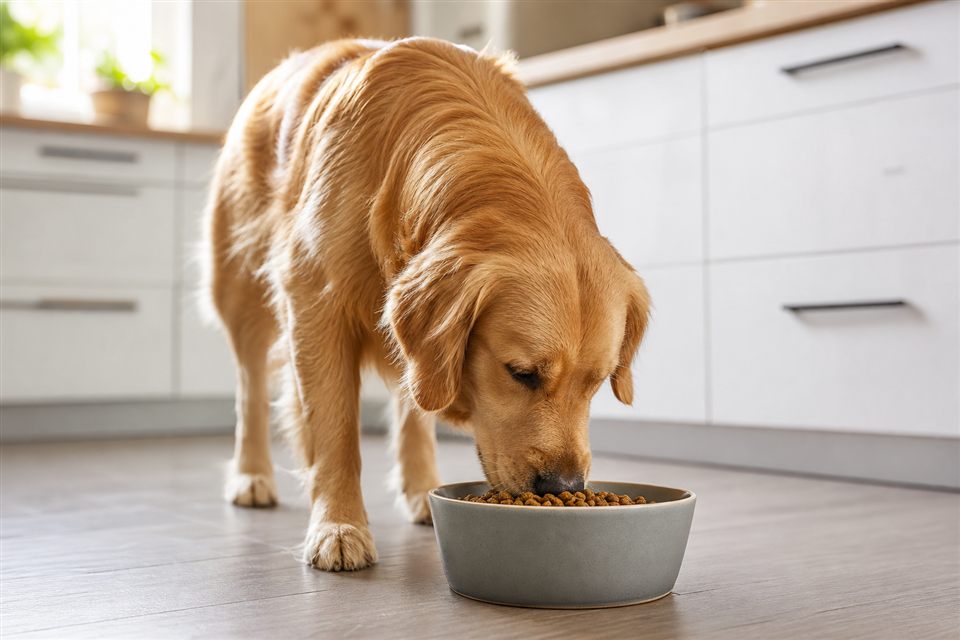
Wednesday at 7:05 p.m., Priya opened a glass container from Monday’s dinner. Inside: 1 1/2 cups of mashed Yukon Golds, no butter, no milk, just potato and water. Moose, her 68-pound Golden Retriever, thumped the cabinet. The gravy boat from Sunday still sat in the sink with a film of fat. Priya had paid $97 for a bland-diet consult in March. She wanted leftovers that matched that plan, not a shortcut that undid it.
Key points at a glance
- Plain mashed potato (potato + water or a splash of unsalted broth) is usually fine
- Butter, cream, gravy, garlic, and onion turn leftovers into a GI risk
- Cool leftovers within 2 hours; toss after 3–4 days in the fridge
- Start with 1–2 tablespoons mixed into regular food
- Never serve raw potato or green skins
- Mashed potato is a carb, not a protein source
Can dogs eat leftover mashed potatoes if they are plain?
Yes, if the mash is truly plain. “Plain” means no dairy fat, no salt bomb, no soup mix, and no roasted garlic you forgot about. Many family recipes fail that test. A stick of butter in a 2-pound batch can add 800+ calories of fat. Gravy often hides onion or garlic powder.
Moose got 2 tablespoons stirred into his evening kibble. He ate in 40 seconds. Overnight he was quiet. Morning stool was a little bulkier, which is normal when you add starch.
Why is gravy a problem?
Restaurant and packet gravies frequently contain onion, garlic, and a lot of sodium. Onion and garlic can damage red blood cells in dogs. You will not see that in 20 minutes. You might see lethargy or dark urine a day or two later.
Fat is the other issue. A dog who already had pancreatitis, even a mild $275 clinic visit, should not get gravy “just this once.” Fat can trigger vomiting and a painful abdomen.
If you cannot swear the leftovers are onion-free, they are not dog food.
How much mashed potato is safe?
Potatoes are calorie-dense once mashed because air and water still leave a lot of starch per spoon.
| Dog weight | First serving | Bland-diet style (vet-guided) |
|---|---|---|
| 15 lb | 1 teaspoon | up to 2 tablespoons/day split |
| 30 lb | 2 teaspoons | 1/4 cup/day split |
| 50–70 lb | 1–2 tablespoons | 1/3–1/2 cup/day split |
| 80+ lb | 2 tablespoons | up to 3/4 cup/day split |
Those bland-diet numbers assume a vet already chose potato as the carb. Do not invent a 50/50 potato-and-chicken plan for a vomiting dog without a call.
Are leftover potatoes still safe after a few days?
Fridge at 38–40°F, covered, 3 days is a practical limit. Day 4 is pushing it. If the mash smells sour, looks gray-green, or has liquid separating in a slimy way, trash it.
Do not leave mash on the counter from lunch to late dinner. Two hours at 72°F is the food-safety line people ignore because “it’s just potato.” Bacillus and other leftover villains do not care that your dog has a strong stomach.
Reheat only if you will cool it again to lukewarm. Hot mash sticks to the palate.
What about skins, eyes, and green potatoes?
Peels on mashed potatoes are a texture issue more than a toxin issue if the potato was healthy and washed. Green flesh and sprouted eyes contain higher solanine. Skip those. Priya peels Moose’s share even when she leaves skins in her own bowl.
Sweet potato mash is a different food. Do not swap them 1:1 if you are following a clinic recipe.
Can mashed potatoes help diarrhea?
Sometimes. Starch can bind a mild, short-lived loose stool in a dog who is otherwise bright, eating, and drinking. Pair with a vet-approved lean protein if you are in a bland-diet window. If Moose had diarrhea plus vomiting, Priya would skip the leftover experiment and call.
Watch for:
- Repeated straining
- Blood in stool
- Refusal of water
- A dog who wants to go out every 30 minutes
Those are not “add more potato” signs.
This article is for general education only and does not replace veterinary care. Call your vet if symptoms persist or worsen.