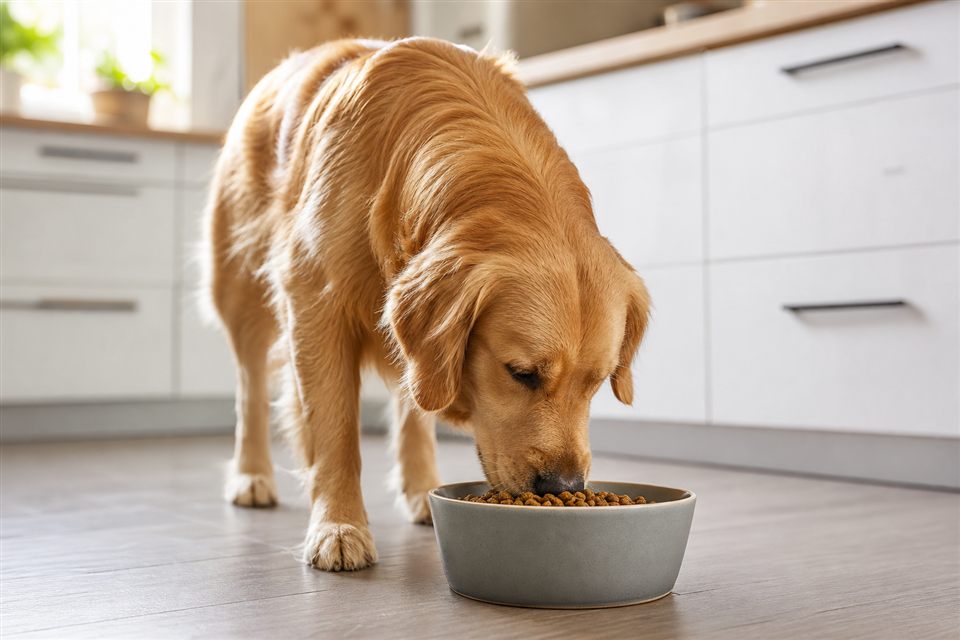
Someone suggests honey for kennel cough or local raw honey for pollen allergies — same folk remedies humans use. Adult dogs can have small amounts of plain honey occasionally. Puppies under one year should never get honey — botulism spores survive in raw product. Honey is treat, not medicine, for allergies.
Key points at a glance
- Adult dogs — ½ tsp to 1 tsp small breeds; 1–2 tsp large breeds, occasionally.
- Puppies under 12 months — no honey — infant botulism risk.
- Diabetic or obese dogs — high sugar — avoid or vet only.
- Kennel cough — honey may soothe throat; still needs vet diagnosis.
- Allergy cure claims — not evidence-based for dogs.
Nutrition and sugar reality
Honey is simple sugars — calories without dog-essential nutrients. Daily spoonfuls contribute to weight gain and dental decay.
| Dog status | Honey guidance |
|---|---|
| Healthy adult | Rare treat |
| Puppy | Avoid completely |
| Diabetes | Avoid |
| Overweight | Avoid |
| Dental disease | Avoid sticky sweets |
Raw vs pasteurized
Raw honey carries Clostridium botulinum spores — harmless to most healthy adults, dangerous to puppies and immunocompromised dogs. Pasteurized lowers spore load but still not for puppies — veterinary consensus stays no honey under one year.
Honey for cough — what is realistic
Mild throat irritation — small honey dose may coat and calm briefly, similar logic to human warm tea — not replacement for antibiotics if bacterial infection or kennel cough confirmed.
Signs needing vet same week:
- Honking cough worsening
- Fever, lethargy, appetite loss
- Puppy any age with cough — never honey-first
Local honey for seasonal allergies — myth check
Human local pollen exposure theory does not translate reliably to canine atopic dermatitis. Apoquel, Cytopoint, immunotherapy have data — honey does not. Small taste won't harm healthy adult; don't skip real allergy plan.
Xylitol warning — not honey but nearby risk
Sugar-free "honey" products, peanut butter, baked goods may contain xylitol — deadly to dogs. Read labels; pure honey ingredient list should say honey only.
Serving safely
- Plain honey only — no comb pesticides, no cinnamon honey unless vet OK.
- Mix into food or lick mat — less tooth stick than spoon.
- Brush teeth if regular treats include sticky sweets.
When honey is a bad idea
- Bee sting allergy history — cross-reactivity rare but discuss with vet.
- Post-surgery sugar restriction
- GI upset — sweeteners worsen diarrhea
The bottom line
Dogs can eat small amounts of plain honey as an occasional treat — never for puppies under one year because of botulism spores. It may soothe a mild sore throat but does not replace veterinary care for cough or proven allergy therapy. Diabetic, obese, and dental-compromised dogs should skip it; always verify products contain no xylitol.
This article is for general education only and does not replace advice from a licensed veterinarian.