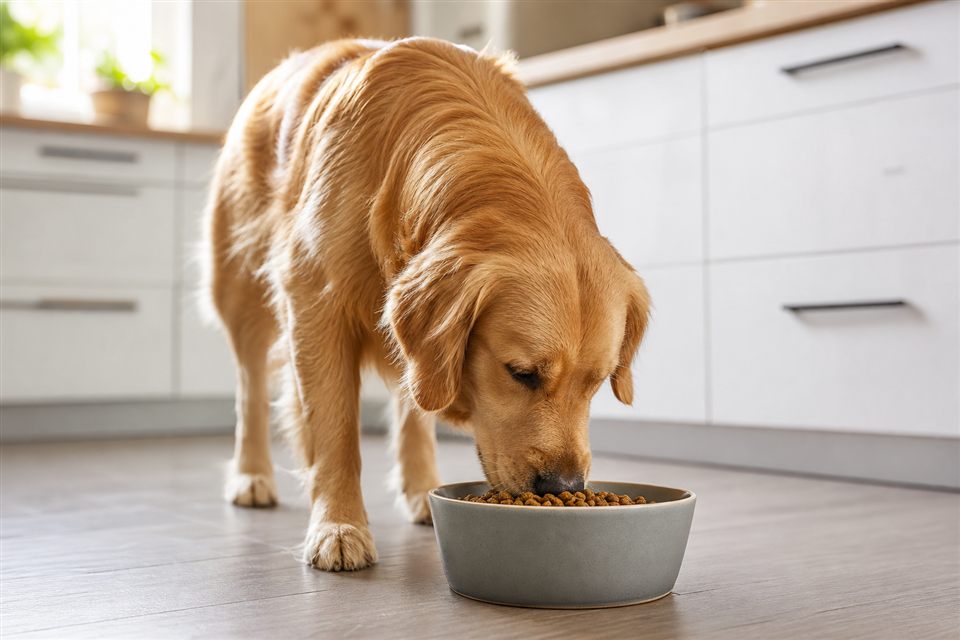
After months of itchy skin and failed food trials, Jenna's vet suggested a novel protein trial with venison. She slow-cooked a plain roast, trimmed every visible bit of fat, and fed her mixed-breed, Scout, small portions mixed into a vet-prescribed base. Scout stopped scratching within two weeks. Venison wasn't magic — it was just a protein Scout's immune system hadn't seen before.
Key points at a glance
- Cooked plain venison is a lean, high-quality protein suitable for many dogs.
- It's often used in elimination diets for dogs suspected of chicken or beef allergies.
- Trim all fat and cook thoroughly with no seasoning, oil, or bone.
- Venison alone is not a complete diet — it lacks calcium and other essential nutrients long-term.
- Wild venison requires extra caution regarding parasites and lead shot fragments.
Why venison appeals for allergic dogs
Food allergies in dogs usually target common proteins — chicken, beef, dairy, egg, and sometimes wheat. Venison is less common in commercial dog foods, which makes it a useful "novel" protein during elimination trials. The goal is to feed something your dog's immune system hasn't been sensitized to, then watch whether symptoms improve.
Venison is naturally lean, especially compared to ground beef or pork shoulder. High fat triggers pancreatitis in susceptible dogs, so lean cuts matter even when the protein itself is tolerated. Backstrap, loin, and trimmed stew meat work well. Skip organ meats during an allergy trial unless your vet specifically includes them — liver and kidney add variables you don't need while testing.
How to prepare venison safely
Cook venison to an internal temperature of at least 165°F (74°C), same as any meat you'd feed a dog. Boiling, baking, or slow-cooking without oil, butter, salt, garlic, onion, or marinade is the only acceptable approach. Game marinades often contain soy, sugar, or spices that cause their own reactions.
Remove all visible fat and silver skin before cooking. Venison fat has a strong flavor that some dogs reject, and it's higher in saturated fat than the muscle meat. Never feed cooked bones — venison bones splinter like any other cooked bone and can puncture the GI tract.
If you're using wild-harvested venison, trim generously around wound channels and ask about lead fragments. Farm-raised venison sidesteps most of those concerns.
Portion guidance
Venison as a treat or trial protein should replace, not stack on top of, your dog's regular calories. Overfeeding any lean meat still leads to weight gain.
| Dog size | Lean cooked venison (treat/trial portion) | Notes |
|---|---|---|
| Small (under 20 lbs) | 1–2 tbsp | Mix with prescribed base food |
| Medium (20–50 lbs) | 2–4 tbsp | About 10–15% of daily calories max |
| Large (50+ lbs) | ¼–⅓ cup | Monitor weight weekly during trials |
During a formal elimination diet, portions follow your vet's protocol. Don't freelance a long-term venison-only diet without supplementation.
Is venison good for allergies — really?
Venison helps when the allergy is to a different protein. It doesn't help if your dog is allergic to venison itself, which can happen after exposure. Dogs can also react to multiple proteins simultaneously. An elimination trial typically runs eight to twelve weeks on a single novel protein plus a controlled carbohydrate source. Switching proteins every few days defeats the purpose.
Some OTC venison dog foods contain hidden chicken fat or beef broth — use prescription diets during formal trials.
Risks beyond allergies
Sudden introduction of any new protein can cause temporary diarrhea. Transition over five to seven days unless your vet instructs otherwise.
The bottom line
Cooked plain venison in lean portions is an excellent protein option for many dogs and a standard tool in food allergy workups. Prepare it simply, trim the fat, cook it through, and use it as part of a balanced plan rather than the entire diet. If Scout's story sounds like your dog, talk to your vet before buying a freezer full of venison — the trial protocol matters as much as the meat.
This article is for general informational purposes only and does not replace advice from your veterinarian. Always consult your vet before introducing new foods, especially if your dog has existing health conditions.