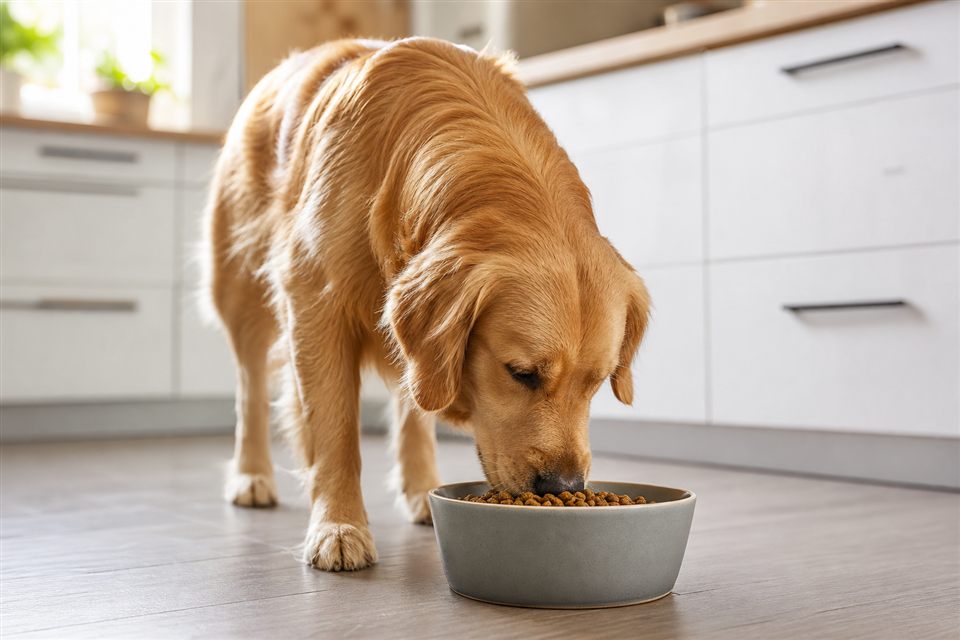
Broccoli shows up in meal-prep bowls and dinner plates all the time, so it is natural to wonder whether your dog can share a bite. The short answer is yes — broccoli is generally safe for dogs when served plain and in moderation. Both raw and cooked broccoli offer fiber, vitamin C, and low calories, but how you prepare it and how much you offer matters more than most owners expect.
Key points at a glance
- Plain broccoli — raw or lightly steamed — is safe for most healthy adult dogs.
- Treat broccoli as a snack, not a meal replacement; keep portions small.
- Raw florets can cause gas; cooked broccoli is often easier to digest.
- Avoid butter, garlic, onion, salt, and cheese toppings meant for humans.
- Large raw chunks pose a choking risk, especially for small breeds.
Raw vs cooked: which is better?
Cooked broccoli is usually the gentler choice. Steaming or boiling softens the stalks and florets, making them easier to chew and digest. Raw broccoli is fine for many dogs, but the tough fiber can lead to bloating or loose stool in sensitive stomachs. Skip roasting with oil or seasoning — those extras add fat and ingredients that dogs do not need.
If you offer raw broccoli, chop it into pea-sized pieces. The stalks are edible but should be sliced thin; they are denser and harder to break down than the florets.
How much broccoli can a dog eat?
Broccoli should make up no more than about 10% of your dog's daily food intake. For a medium-sized dog, that might mean a few small florets — not a full side dish. Start with one or two tiny pieces and watch for vomiting, diarrhea, or excessive gas over the next 24 hours.
| Dog size | Suggested starting portion |
|---|---|
| Small (under 20 lbs) | 1 small floret, chopped |
| Medium (20–50 lbs) | 2–3 small florets |
| Large (50+ lbs) | 3–4 small florets |
Puppies, dogs with pancreatitis, or those on prescription diets should skip new vegetables unless your vet approves them first.
Risks to watch for
Broccoli contains isothiocyanates, compounds that can irritate the stomach lining when eaten in large amounts. That is why moderation matters more here than with some other dog-safe veggies. Whole florets can also lodge in the throat, so always cut them down. If your dog has a history of GI sensitivity, stick to cooked portions and smaller servings.
The bottom line
Broccoli can be a crunchy, low-calorie treat for dogs when it is plain, chopped, and served in small amounts. Cooked broccoli tends to be easier on the digestive system; raw is acceptable for many dogs if pieces are tiny. When in doubt about portion size or your dog's health conditions, ask your veterinarian before adding broccoli to the regular treat rotation.
This article is for general education only and does not replace advice from your veterinarian. Always consult a qualified professional about your individual pet's diet and health.