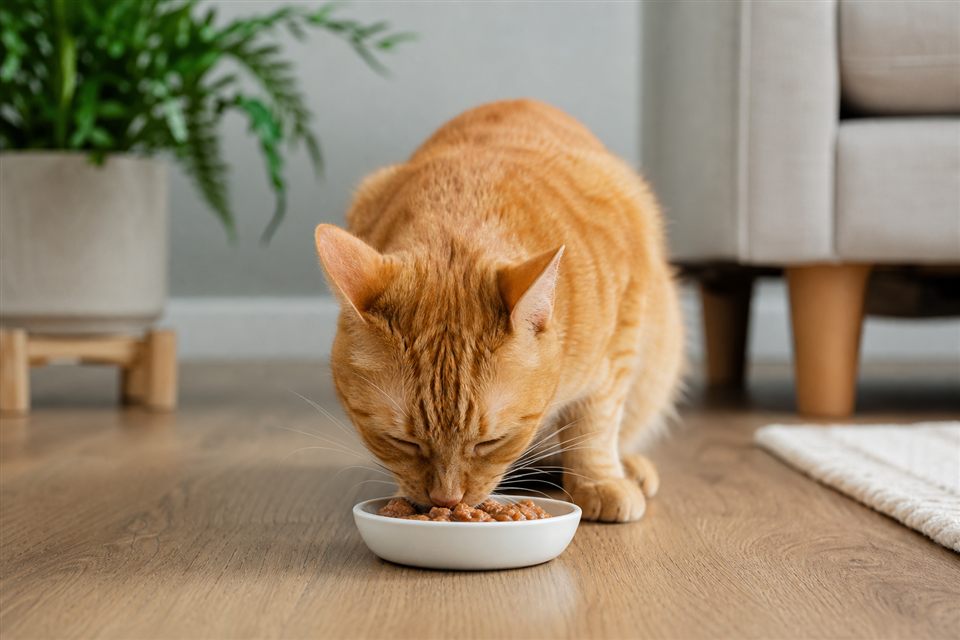
Lena opened a tin of sardines for her salad and caught Fig weaving between her ankles at warp speed. She rinsed one small fish under cold water, patted it dry, and broke off a bite-sized piece. Fig inhaled it. Lena wanted to know if rinsing made the olive oil version as safe as water-packed — and how many Tuesdays per month could be Sardine Tuesday.
Key points at a glance
- Rinsed sardines in olive oil are acceptable as an occasional treat for most cats.
- Water-packed sardines with no added salt are the better default choice.
- Limit sardines to one small fish or equivalent per week for an average cat.
- Soft bones in canned sardines are usually safe; mash thoroughly for cautious feeders.
- Sardines are high in sodium even after rinsing — not for cats with heart or kidney disease without vet approval.
Why sardines appeal to cat owners
Sardines are small, short-lived fish, which means lower mercury accumulation than tuna or swordfish. They're rich in protein, omega-3 fatty acids, and that pungent aroma cats find hard to ignore. For owners battling picky appetite or looking for a whole-food treat, sardines check several boxes.
Olive oil packing adds fat and calories. Olive oil isn't toxic to cats — unlike some essential oils — but it's unnecessary calories for indoor cats already prone to weight gain. Rinsing removes surface oil and reduces sodium clinging to the fish, though it doesn't reset the fish to zero sodium. Water-packed, no-salt-added sardines skip that step and remain the cleaner option when you can find them.
Rinsing — what it helps and what it doesn't
Running sardines under cold water for 30 seconds and gently rubbing the flesh removes:
- Excess olive oil on the surface
- Some loose salt and brine
- Strong fishy oil that might cause soft stool in sensitive cats
Rinsing does not remove:
- Sodium absorbed into the flesh during processing
- Mercury (though sardines are low-mercury to begin with)
- Calories already inside the fish
Pat rinsed sardines dry before serving so you're not adding water bowl splash to the floor. Flake with a fork and inspect for hard spine fragments — rare in quality canned sardines but worth a glance.
How often is too often?
| Cat weight | Portion (rinsed sardine) | Frequency |
|---|---|---|
| Under 8 lbs | ¼ small sardine | Once weekly |
| 8–12 lbs | ½ small sardine | Once weekly |
| Over 12 lbs | 1 small sardine | Once weekly |
Feeding sardines multiple times per week stacks sodium, phosphorus, and calories without improving your cat's diet. Cats eating prescription kidney or heart diets should not get sardines unless your vet explicitly builds them into the plan — phosphorus and sodium matter.
Rotate fish treats with other proteins rather than stacking multiple fish types in one week.
Cats who should skip sardines
Cats with kidney disease, heart failure, or hyperthyroidism often need sodium and phosphorus restriction — sardines work against those goals even after rinsing. Diabetic and obese cats don't need the extra calories. Kittens should eat kitten formula, not tin fish. If your cat vomits or develops diarrhea after sardines, try water-packed instead or drop fish treats entirely.
The bottom line
Cats can eat sardines packed in olive oil if you rinse them plain and keep portions small — roughly one small sardine per week for an average adult cat. Water-packed, no-salt-added sardines are simpler and slightly safer. Rinse if olive oil is what you have, measure the portion, and skip them altogether if your cat manages heart, kidney, or sodium-sensitive conditions without veterinary clearance.
This article is for general informational purposes only and does not replace advice from your veterinarian. Always consult your vet before introducing new foods, especially if your cat has existing health conditions.