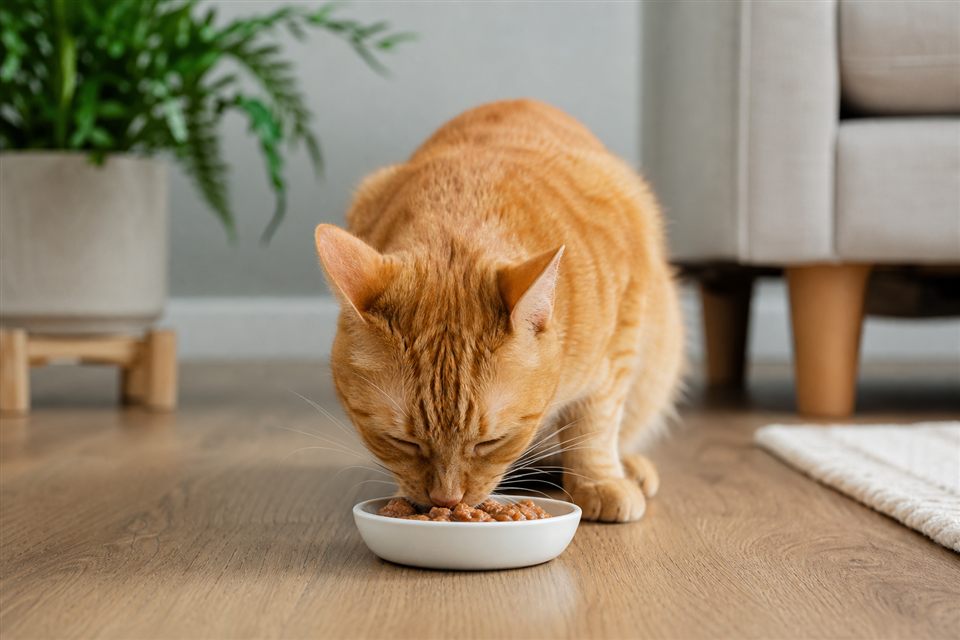
Oliver had not produced a normal stool in three days. His owner Keisha noticed him visiting the litter box repeatedly with nothing to show except strained posture. The emergency vet on phone triage suggested plain pumpkin puree before an office visit the next morning. Oliver ate a measured spoonful mixed into wet food and finally passed a stool overnight—not a cure-all, Keisha learned, but a useful first step for mild backup.
Key points at a glance
- Plain canned pumpkin puree—not pie filling— adds soluble fiber that can soften stool and ease mild constipation in cats.
- Start with 1 teaspoon per day for average cats; increase gradually to 1–2 tablespoons maximum if tolerated.
- Pumpkin treats symptoms; it does not replace veterinary care for persistent constipation, pain, or vomiting.
- Constipation lasting beyond 48 hours, blood in stool, or lethargy requires immediate vet evaluation.
- Pumpkin helps some cats; others show no change— underlying causes include dehydration, megacolon, and arthritis.
- Diabetic cats need carb monitoring; pumpkin adds modest carbohydrates to daily intake.
- Long-term daily pumpkin without diagnosis masks progressive megacolon or pelvic injury needing medical intervention.
Why pumpkin puree works—for some cats
Pumpkin flesh contains soluble fiber absorbing water into stool, increasing bulk and softening consistency. The mechanism resembles how fiber supplements work in humans and dogs, scaled to feline portions. Pumpkin also offers moisture when mixed into food— helpful for cats eating dry kibble exclusively and drinking inadequately.
Effectiveness varies. Mild intermittent constipation from low fiber intake or minor dehydration often responds. Structural problems— megacolon, strictures, pelvic fractures from old trauma— may not respond to fiber alone and worsen if obstruction is complete.
Keisha's success with Oliver reflected mild dehydration plus hairball-related slow transit. Her vet added water fountains and grooming increases alongside short-term pumpkin—not permanent daily pumpkin forever.
How much pumpkin per day
Begin conservatively. Sudden large fiber loads cause gas, bloating, and paradoxically harder stool if water intake does not rise with fiber.
| Cat size | Starting dose | Maximum daily (if vet approves) | Duration |
|---|---|---|---|
| Small (under 8 lb) | 1/2 tsp | 1 tsp | 3–5 days trial |
| Average (8–12 lb) | 1 tsp | 1–2 tbsp | 3–5 days trial |
| Large (12+ lb) | 1 tsp | 2 tbsp | 3–5 days trial |
Mix into wet food thoroughly. Many cats reject pumpkin alone; camouflage improves compliance. Reduce dose if diarrhea appears— overstimulation flips constipation into opposite problem quickly.
If no improvement after 48 hours at appropriate dose, stop guessing and schedule examination. Radiographs may reveal obstipation requiring enemas or manual extraction under sedation—not home pumpkin escalation.
Plain puree versus pie filling: critical label difference
Buy canned pumpkin listing ingredients as pumpkin only— sometimes water. Reject pumpkin pie filling containing sugar, cinnamon, nutmeg, cloves, and sometimes xylitol-adjacent sweeteners or excess sodium. Pie filling packaging looks similar on shelf placement; read labels in store lighting, not from memory.
Fresh cooked pumpkin puree works identically if plain steamed or baked without skin seasoning. Freeze excess in teaspoon portions. Libby's and store brands offering "100% pumpkin" remain standard recommendations in veterinary client handouts for good reason— consistency and label clarity.
Constipation causes pumpkin cannot fix
Dehydration from chronic kidney disease concentrates stool; fiber without fluid fails. Arthritic senior cats avoid painful posturing in litter boxes, retaining stool until impaction forms— environmental modifications and pain control matter more than pumpkin.
Megacolon in middle-aged cats progresses silently until obstipation crises occur. Fiber masking delays diagnosis while colon stretches irreversibly. Hairballs block transit; laxative gels vet-prescribed outperform pumpkin for dense fur masses.
Neurologic deficits, hypothyroidism, and electrolyte abnormalities alter motility— bloodwork identifies these; pumpkin does not.
When pumpkin helps beyond constipation
Some veterinarians suggest small pumpkin amounts for occasional diarrhea— soluble fiber can absorb excess water in loose stool. Same plain product, opposite symptom, dose-dependent mechanism. Do not self-toggle between constipation and diarrhea protocols without guidance if blood or vomiting accompanies either sign.
Weight management diets occasionally incorporate pumpkin volume for satiety in dogs; cats need protein-first nutrition— pumpkin is not a feline weight loss strategy and adds carbs obese diabetic cats cannot spare.
Diabetic and CKD considerations
Pumpkin carbohydrates affect blood glucose modestly per teaspoon but meaningfully if tablespoons accumulate daily in diabetic cats on insulin. Coordinate with internal medicine vets before routine pumpkin in diabetics.
Chronic kidney disease cats on phosphorus-managed diets usually tolerate pumpkin fiber in small amounts, but cumulative potassium and carb load may matter in late stages— individual prescription diet plans supersede internet dosing charts.
Signs constipation is emergency—not pumpkin territory
Straining with crying, repeated vomiting, abdominal distension, refusal to eat, or lethargy suggest obstipation or obstruction— foreign body, intussusception, tumor—not fixable with fiber at home. Male cats straining in litter boxes may be urinary blocked—a life-threatening confusion with constipation requiring instant emergency care.
Blood on stool or excessive mucus after straining warrants same-day evaluation. Oliver avoided this tier; Keisha knew the red flags list before trying pumpkin precisely so she would not delay if he worsened.
Alternatives when pumpkin fails or is refused
Veterinary laxatives like lactulose or cisapride (where legally prescribed) target motility more reliably than dietary fiber for diagnosed megacolon management. Hairball remedies with petroleum-free formulas help fur-related cases. Increased water via fountains, broth-free hydration strategies, and wet food transition address dehydration root causes.
Psyllium fiber supplements exist for cats under vet dosing— do not import human Metamucil doses without conversion guidance.
The bottom line
Plain canned pumpkin puree in measured daily amounts— starting around one teaspoon for average cats— can relieve mild constipation when dehydration and serious obstruction are ruled out. Pie filling belongs in pies; megacolon belongs in radiology suites. Oliver got better overnight; Keisha still brought him in for exam confirming no megacolon creep. Pumpkin stayed in the pantry as occasional tool, not permanent religion.
This article is for informational purposes only and is not a substitute for professional veterinary advice. Consult your veterinarian before introducing new foods, especially if your cat has existing health conditions.