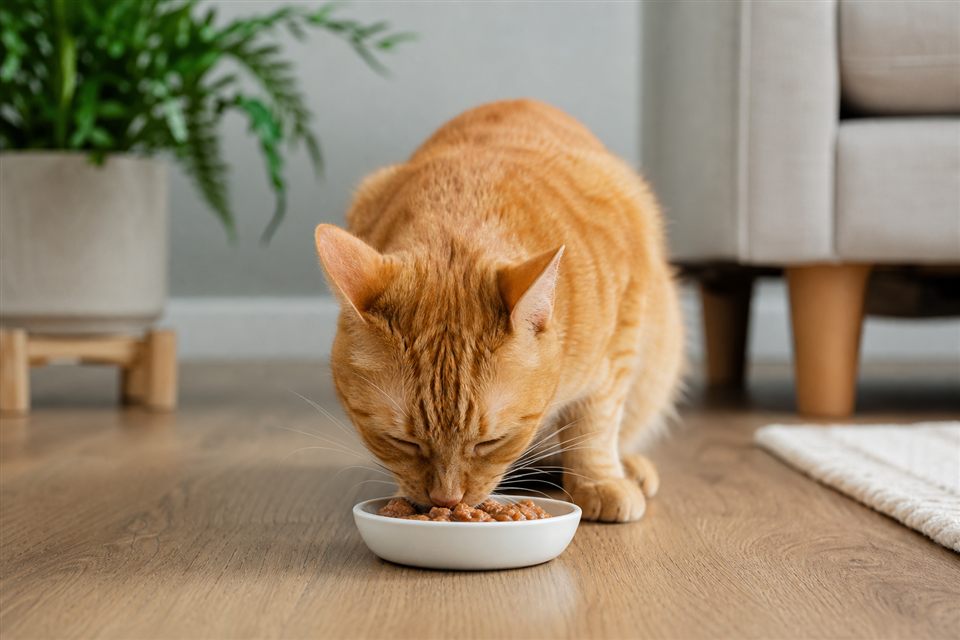
Sandra bought frozen pollock fillets for fish tacos and realized her calico, Pixel, was doing the slow-blink of intense interest from the windowsill. Pixel ate fish-flavored kibble daily but had never tasted actual fish. Sandra baked one plain fillet—no oil, no lemon, no breadcrumbs—and flaked a teaspoon onto Pixel's plate. Pixel demolished it and then sat by the oven for twenty minutes hoping for a sequel.
Key points at a glance
- Plain cooked pollock and haddock are safe occasional treats for most cats
- Both are low-mercury white fish suitable for more frequent treats than tuna
- Remove all bones; even small bones can lodge in throat or gums
- Never feed breaded, fried, smoked, or seasoned fish preparations
- Fish treats do not replace taurine-fortified complete cat food
Are pollock and haddock safe for cats?
Yes. Pollock and haddock are mild white fish that most cats accept readily. They are lean, high in protein, and lower in mercury than large predatory species like albacore tuna or swordfish. That lower mercury profile makes them reasonable choices for occasional treats—even for cats who already eat fish-based commercial food.
The safety rule is preparation: plain and fully cooked, every time.
How should you cook fish for your cat?
Bake, steam, or poach fillets in water without salt, oil, butter, or spices. Fish cooks quickly—overcooked pollock turns dry; slightly flaky is fine. Let it cool and inspect for bones with your fingers. Haddock and pollock are usually sold boneless, but manufacturing misses happen.
Avoid canned versions packed in oil or brine. "Light tuna in water" rules differ from pollock in salt—always read labels if using canned products.
| Preparation | Safe? | Notes |
|---|---|---|
| Baked plain fillet | Yes | Best control over ingredients |
| Steamed | Yes | Keeps moisture; good for seniors |
| Fried fish sticks | No | Fat, breading, salt |
| Smoked haddock | No | High sodium; may contain preservatives |
| Sushi-grade raw | No | Bacterial and parasite risk |
How much pollock or haddock can a cat eat?
Treat portions only:
- Average cat: 1–2 teaspoons flaked meat, once or twice weekly
- Large cat: up to 1 tablespoon, once or twice weekly
Fish should stay under 10% of total weekly calories. A cat filling up on pollock may eat less complete food and miss out on fortified taurine, vitamins, and minerals.
Pollock vs haddock vs salmon: which is best for treats?
Pollock and haddock are similar nutritionally—lean protein, B vitamins, selenium. Salmon offers more omega-3 fatty acids but higher fat content and somewhat higher contaminant concerns depending on sourcing. For frequent treating, pollock and haddock are sensible middle-ground choices.
Rotate proteins if your cat enjoys variety. Constant fish-only treating can contribute to finicky eating habits.
Can you mix pollock and haddock with regular cat food?
Yes—and that is the best approach. Flake fish into wet food so your cat still eats their complete nutrition base. Serving a plate of fish alone teaches picky habits fast. Sandra mixes fish into half a portion of Pixel's usual food rather than topping a full bowl, which keeps protein ratios closer to normal.
When should cats skip white fish?
Cats allergic to fish—yes, it happens despite the stereotype—should avoid pollock and haddock. Signs include vomiting, diarrhea, or skin reactions after eating.
Cats with kidney disease may be on protein-restricted diets where even lean fish needs veterinary approval. Hyperthyroid cats sometimes crave fish excessively; treats should not feed that cycle without medical oversight.
Sandra flakes extra pollock into an ice cube tray with water for Pixel's summer snacks. Pixel's main meals stay the same taurine-complete wet food she has eaten for years. If you are unsure how fish treats fit your cat's health plan, especially for seniors or cats with chronic conditions, ask your veterinarian before making it a regular habit.