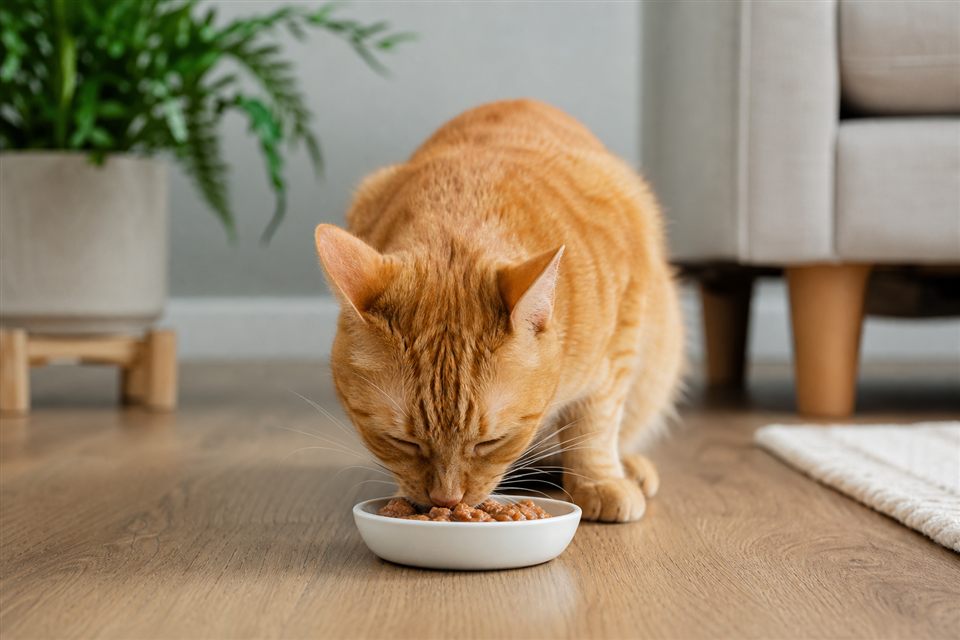
Hannah sprinkled millet into her budgie's dish and spilled a few cooked grains onto the counter. Her senior cat, Otis, who normally ignores bird food politics, licked them up before she could intervene. Hannah laughed, then frowned—Otis was a meat-and-gravy cat, not a grain grazer, and she wanted to know if millet was harmless curiosity or something to keep away from feline reach.
Key points at a glance
- Plain cooked millet is non-toxic to cats in tiny amounts.
- Cats are obligate carnivores and do not require grains in their diet.
- Millet provides carbohydrates and fiber cats cannot utilize efficiently.
- Cook thoroughly in water with no salt, oil, or seasonings.
- Too much millet may cause vomiting or diarrhea.
- Prescription and grain-free cat diets usually exclude millet intentionally.
Is millet safe for cats?
Millet is a small seed grain often used in bird food and gluten-free human diets. It is not poisonous to cats when plain and fully cooked. Safety, however, does not equal usefulness. Cats lack the digestive enzymes to extract meaningful nutrition from grains the way humans or chickens do.
An occasional lick or teaspoon of cooked millet is unlikely to harm a healthy cat. Regular grain feeding adds empty carbohydrates that can displace protein calories cats actually need.
Why grains matter less for cats
Obligate carnivores depend on nutrients found primarily in animal tissue: taurine, arachidonic acid, preformed vitamin A, and complete amino acid profiles. Millet offers B vitamins and magnesium in small amounts, but commercial cat food already covers those bases without plant-based filler treats.
| Food type | Role in a cat's diet |
|---|---|
| Animal protein | Essential daily foundation |
| Plain cooked millet | Optional, negligible benefit |
| Raw millet seeds | Hard to digest; cook first |
| Seasoned millet pilaf | Unsafe — onion, garlic, salt |
| Millet-heavy bird seed mix | Not formulated for cats; avoid routine access |
How to prepare millet if you choose to offer it
Rinse millet under cold water. Cook one part millet to three parts water until soft and porridge-like, usually about 20 minutes. Do not add butter, stock cubes, or salt—many stocks contain onion powder.
Cool completely. Mash or flatten grains so they do not stick in your cat's throat. Offer on a spoon or mixed into a small bite of wet food if your cat shows interest.
Portion and frequency limits
Treat millet as a novelty, not nutrition:
- Average adult cat: 1/4 to 1/2 teaspoon cooked millet
- Frequency: Once a month or less, if at all
Cats with diabetes, obesity, or inflammatory bowel disease should skip millet entirely unless a veterinarian recommends a specific therapeutic diet that includes grains.
Possible side effects
Plant fiber from millet can loosen stool or trigger vomiting in cats unaccustomed to carbohydrates. Dry uncooked millet seeds may swell in the stomach and cause discomfort if eaten in volume—another reason to keep bird food containers closed.
If Otis had eaten a half cup of spilled millet, Hannah would watch for bloating, repeated vomiting, or refusal to eat and call her vet if symptoms persisted beyond several hours.
Better treats for cats
Freeze-dried chicken, commercial cat treats with animal protein as the first ingredient, or a spoonful of plain wet cat food provide rewards that match feline biology. If you enjoy sharing kitchen moments, lean toward cooked egg yolk or plain meat scraps approved by your vet rather than bird seed grains.
Keeping bird food away from cats
Multi-pet households create accidental sharing opportunities. Store millet and seed mixes in sealed containers Otis cannot open, and sweep spills promptly after cage maintenance. Birds themselves should never be treated as food sources, but their grain mixes attract curious cats who learn that counters mean snacks.
If your cat repeatedly seeks bird food, enrich their environment with puzzle feeders and scheduled play so scavenging becomes less rewarding.
Consult your veterinarian before adding any human food to cats on prescription diets or those with chronic kidney disease, hyperthyroidism, or food allergies. This article is for general information and does not replace individualized veterinary guidance.