Tuesday at 6:48 p.m., Tomasz Nowak laid a $9.50 flounder fillet on a foil-lined tray in his Boston apartment. Nori, his 9-pound Siamese, sat on the fridge and announced the fish like a town crier. Last month a salty takeout salmon skin had meant a night of vomiting and a $178 clinic visit. Tomasz wanted a lean white fish, cooked, boneless, and small enough that it would not replace Nori’s regular food.
Key points at a glance
- Plain cooked flounder or sole is a lean treat for most healthy cats
- Remove every bone; these fillets can hide thin needles
- Cook to 145°F; skip butter, lemon-pepper, salt, and garlic
- Serve 1–2 teaspoons flaked, not a restaurant portion
- Raw flounder is a poor household habit; some raw fish can reduce thiamine
- Freeze leftover flakes in teaspoon bags so the fillet does not become three dinners
Can cats eat cooked flounder or sole?
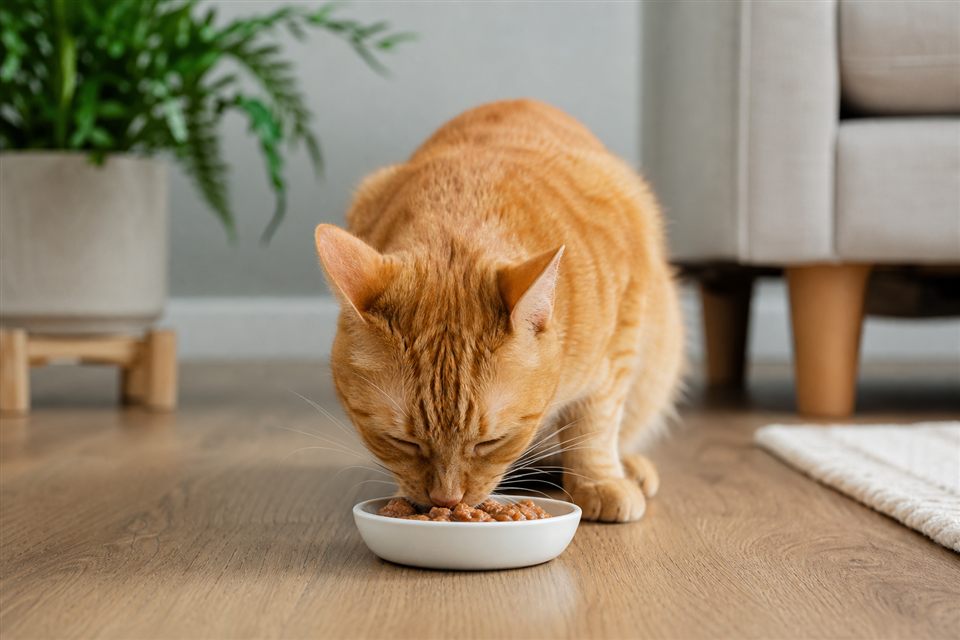
Yes, as an occasional treat. Both are mild, low-fat white fish. Cats usually like the smell. Nori got 2 teaspoons of cooled flakes on top of her evening wet food. She finished in 16 seconds and then searched the foil like a detective.
That is the serving. A 4-ounce fillet is a human lunch. Feeding the whole thing to a 9-pound cat dumps extra phosphorus and calories onto a diet you already balanced.
Tuna from a can is a different conversation: mercury and habit. Flounder or sole a few times a month is a treat, not a new identity.
How should you cook flounder or sole for cats?
Bake at 375°F for 10–14 minutes until the flesh flakes and a thermometer reads 145°F. Steam 6–8 minutes. Poach in plain water. No oil if you can help it. No lemon butter.
| Step | Cat-safe choice | Skip this |
|---|---|---|
| Fish | Fresh or frozen plain fillet | Breaded, stuffed, smoked |
| Bones | Feel and pull every sliver | “It is a fillet, so it is fine” |
| Seasoning | None | Salt, garlic, onion, pepper mix |
| Doneness | 145°F, opaque, flakes | Raw or sushi scraps |
| Size | 1/4-inch flakes | One long ribbon to gulp |
| Leftovers | Fridge 2 days | Counter 3 hours |
Cool to about 75°F. A Siamese will still steal a 130°F flake and then sulk.
Run your fingers through the meat. Sole and flounder bones are thin. Tomasz uses a flashlight. One bone in the throat is a 10 p.m. emergency.
How much flounder or sole can a cat eat?
Treats stay near 10% of daily calories. Cooked flounder is roughly 25–35 calories per ounce.
| Cat weight | First serving | Occasional max (1–2x/week) |
|---|---|---|
| 7–8 lb | 1 teaspoon flaked | 2 teaspoons |
| 9–11 lb | 2 teaspoons | 1 tablespoon |
| 12–14 lb | 1 tablespoon | 1.5 tablespoons |
| 16+ lb | 1 tablespoon | 2 tablespoons |
Nori’s wet food is about 220 calories a day. A tablespoon of fish is a topper. A quarter fillet is a diet change.
If she is on a urinary or kidney diet, ask the vet before adding fish. Extra minerals are not a free upgrade.
Is raw flounder okay?
Skip it for a typical kitchen. Raw fish can carry parasites and bacteria. Some raw fish species contain thiaminase, an enzyme that breaks down thiamine. Cooking shuts that down. A home “raw night” with a grocery fillet is not the same as a formulated raw diet from a company that tests product.
Smoked sole from a brunch platter is also a no: salt and sometimes onion.
What should you watch after serving?
Vomiting, lip smacking, or a cat who hides after fish can mean a bone, a salt load, or a simple stomach protest. Loose stool the next morning means you overdid it.
If Nori stops eating, drools, or paws at her mouth, look for a bone and call. A cat who strains in the box after a new food needs a same-day check, especially a male.
Tomasz labels the freezer bag “Nori, 2 tsp.” His own fillet gets lemon. Hers does not.
This article is for general education only and does not replace veterinary care. Call your vet if symptoms persist or worsen.