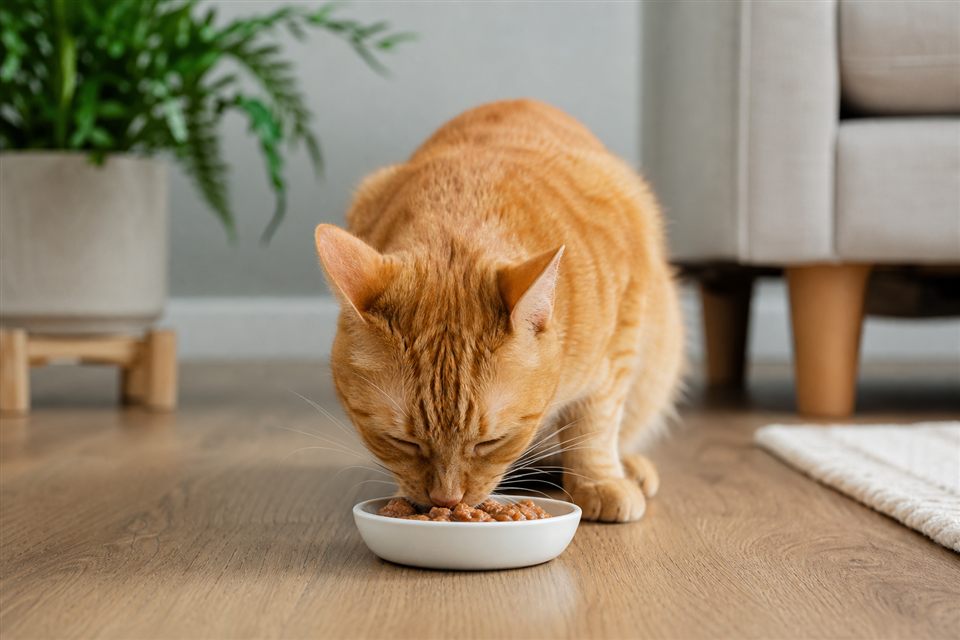
Amir meal-prepped tabbouleh for the week—bulgur, parsley, lemon, the works—and kept a plain batch aside before adding anything cat-toxic. His short-haired cat, Noodle, had once stolen a rice grain from a dropped sushi roll and seemed fine. Amir wondered if a spoonful of plain cooked bulgur would hurt. Noodle got half a teaspoon mixed into her wet food and ate every bite without the dramatic litter box consequences Amir feared.
Key points at a glance
- Plain cooked bulgur wheat is non-toxic to cats in very small portions
- Cats are obligate carnivores—they do not require grains in their diet
- Bulgur must be plain: no onion, garlic, lemon, salt, or oil from tabbouleh
- Too much grain can cause diarrhea or fill cats up without meeting protein needs
- Diabetic or overweight cats should skip bulgur unless a vet approves
Is bulgur wheat safe for cats?
Bulgur is cracked parboiled wheat. Wheat is not toxic to cats. Many commercial cat foods include small amounts of grains as binders or fillers. A teaspoon of plain cooked bulgur mixed into food occasionally will not poison a healthy cat.
What bulgur will not do is provide meaningful nutrition cats cannot get better from meat-based sources. Think of it as a texture novelty, not a health supplement.
Why do cats not need grains?
Cats evolved to derive energy and nutrients primarily from animal tissue. Their digestive systems handle protein and fat efficiently. Carbohydrates from grains are not essential and are metabolized less ideally than in dogs or humans.
That does not mean bulgur is harmful in tiny amounts. It means bulgur should never replace protein-rich cat food.
How should you prepare bulgur for your cat?
Cook bulgur according to package directions using water only—no stock cubes, salt, or olive oil. Fine or medium grind bulgur cooks in about 10–12 minutes. Let it cool completely. Mix a small amount into wet food rather than serving a bowl of plain grains, which most cats ignore anyway.
Never share tabbouleh, pilaf, or bulgur salad. Onion and garlic—common in those dishes—damage cat red blood cells. Lemon and excess salt cause separate problems.
| Cat status | Suggested portion | Frequency |
|---|---|---|
| Healthy adult | 1/2–1 teaspoon | Once weekly or less |
| Overweight | Skip or ask vet | Grains add calories |
| Diabetic | Avoid unless vet approves | Carbs affect blood sugar |
Can bulgur help with fiber?
Bulgur contains more fiber than white rice. Some owners add a pinch to support regular stool in cats prone to mild constipation. Pumpkin puree is usually a better-studied option for that purpose in cats, with clearer dosing guidance from veterinarians.
If your cat develops loose stool after bulgur, stop feeding it. Individual tolerance varies.
Is bulgur easier to digest than other grains for cats?
Some cats tolerate bulgur better than whole oats because it is parboiled and cooks down soft. Others reject any grain entirely—that is normal feline behavior, not a health crisis. Never force grains on a cat who refuses them; protein-based treats like plain cooked chicken work better for reluctant eaters.
Bulgur vs rice vs oats for cats
All three are safe plain and cooked in small amounts. Rice is blandest and most commonly recommended during short-term GI upset under vet guidance. Bulgur has more fiber and nuttier flavor—some cats like it, many do not care. Oats appear in some commercial treats. None replace meat.
Amir still makes tabbouleh weekly but Noodle's bulgur portion stays separate from the first plain simmer—before parsley, before lemon, before salt hits the pot. Her diet remains protein-forward wet food with taurine listed on the label. If your cat has inflammatory bowel disease, food allergies, or diabetes, confirm with your veterinarian before adding bulgur or any grain, even in small portions.