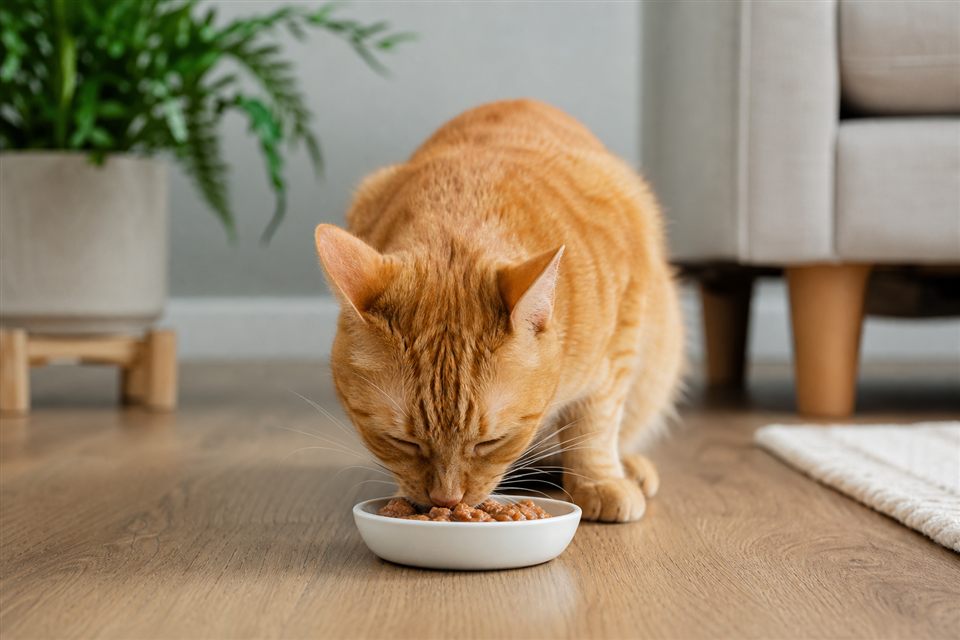
Saturday at 9:35 a.m., Tomas opened a $12.99 bag of freeze-dried minnows after Sprat, his 16-pound Maine Coon, ignored breakfast for the second hour. The fish were whole, pale, and loud when they hit the ceramic bowl. Sprat crunched three in a row. Tomas had paid $89 last month to clean tartar that started as “just a few dental treats.” He wanted a yes with a portion cap, not a new habit that smelled like a dock.
Key points at a glance
- Freeze-dried minnows are fine as occasional treats for many cats
- Count them; a Maine Coon can empty a bag for fun, not hunger
- Check for salt, oil, and “natural flavors” that hide extras
- Whole tiny fish include bones; most freeze-dried bones crush, but watch
- Fish treats are not a substitute for a complete cat food
- Limit fishy treats if your cat already gets a fish-heavy canned diet
Can cats eat freeze-dried minnows?
Yes, as a crunchy extra. They are usually just fish, water removed. Sprat’s bag listed one ingredient: minnows. That is the label you want. A bag that lists minnows, salt, and “fish stock” is a different snack.
Tomas switched to a rule: two minnows as a jackpot, not a handful while he answered email. Sprat still ate breakfast at 10:02 a.m. once the novelty dropped. If a cat skips two meals in a row, stop the fish experiment and look at nausea, dental pain, or a dirty bowl.
How should you introduce freeze-dried minnows?
Offer the first fish on a plate, not tossed across the kitchen. Watch 10 minutes for gagging. If Sprat crunches, swallows, and goes back to the window, you are fine. If he vomits foam at 11 a.m., that was not his fish. Wait 48 hours before a second try, and crush the next one into flakes mixed into wet food.
How many minnows is occasional?
| Cat | First day | Typical cap |
|---|---|---|
| 8–10 lb | 1 minnow | 2–3 small minnows |
| 12–16 lb | 2 minnows | 4 minnows |
| 18+ lb | 2 minnows | 5 minnows |
A 1.5-ounce bag can hold 40–80 fish depending on size. At $12.99, that feels cheap per piece. It is still calories and phosphorus. If treats drift past 10% of daily calories, dinner gets skipped and the scale creeps.
Offer minnows 3–4 days a week at most, not at every doorway.
Are the bones dangerous?
Freeze-drying makes small bones brittle. Most cats crunch them. Sprat is 16 pounds with a serious jaw. A 7-pound senior with few teeth may gum a minnow and swallow a sharper piece. Crush the fish between two spoons into flakes if chewing looks sloppy.
Stop and call if you see gagging, pawing at the mouth, or a sudden refusal to eat kibble that was fine yesterday.
Sodium, mercury, and “all fish” diets
Minnows are small. Mercury risk is lower than in tuna steaks. The bigger household problem is stacking fish: tuna pate breakfast, salmon dinner, minnow treats, and a fish-oil pump. Some cats vomit yellow foam. Some get greasy stool.
| Label clue | What to do |
|---|---|
| Single ingredient: minnows | Okay to trial |
| Salt listed high | Skip or use 1 fish only |
| Garlic or smoke flavor | No |
| Made in a plant with other allergens | Fine for most; note if Sprat itches |
If Sprat has a history of urinary crystals, Tomas keeps fish treats tiny and stays on the prescribed food. Minerals add up.
Can freeze-dried minnows clean teeth?
Crunch helps a little. It is not a $89 cleaning. Wipe the back teeth if Sprat allows it. Use minnows as a reward after a 20-second brush, not as the brush.
Store the bag with a clip. Freeze-dried fish pulls moisture from the air and turns leathery in a humid 78°F kitchen. Toss fish that look damp or smell rancid. A $12.99 bag is not cheaper if half of it goes stale on the counter.
Tomas writes “Sprat, 2 minnows” on the bag with a marker. The rest of breakfast stays in the bowl where it belongs.
This article is for general education only and does not replace veterinary care. Call your vet if symptoms persist or worsen.