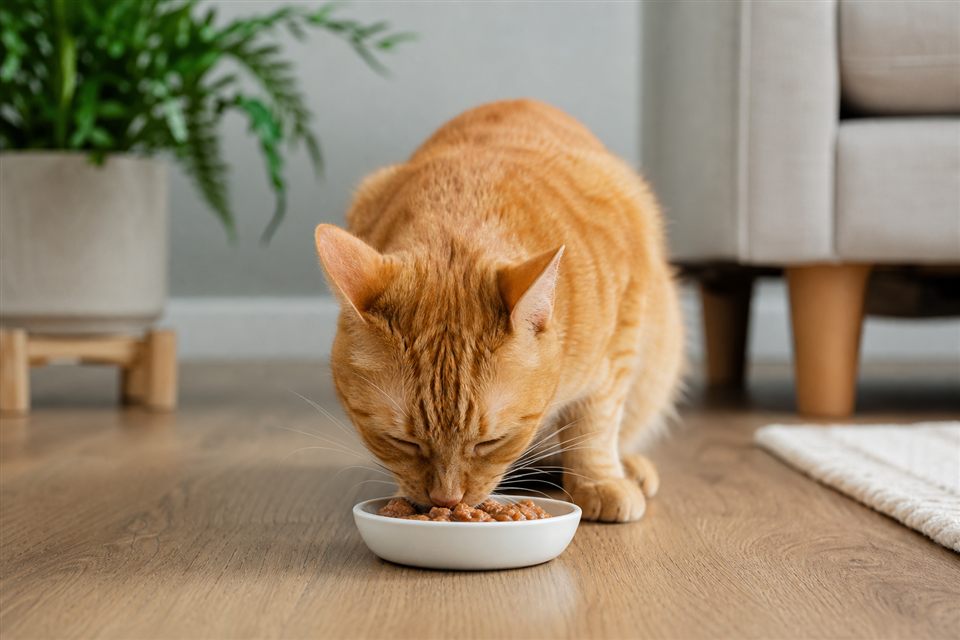
Friday at 7:15 a.m., Yuki Tanaka opened a $14.99 bag of freeze-dried chicken liver in her Seattle apartment and counted pieces into a ramekin. Kite, her 10-pound Bengal, was already on the counter for clicker practice. Last winter Yuki had used liver as the only reward for 6 weeks and Kite’s stool turned dark and soft. The vet mentioned vitamin A and “organ meat is a condiment.” Yuki wanted a rule she could actually follow on a weekday.
Key points at a glance
- Freeze-dried liver is a high-value treat, not a meal and not a daily free-for-all
- Organ meat is rich in vitamin A; big daily piles can add up over months
- Keep all treats near 10% of daily calories
- Break pieces into pea-size bits so training does not equal a second breakfast
- Rotate with other single-ingredient treats a few days a week
- Skip liver if your cat has a liver-disease plan unless the vet says otherwise
Can cats eat freeze-dried liver every day?
A piece or two, maybe. A handful, no. Liver is nutrient-dense. In a complete cat food, organ meat is already balanced. Extra freeze-dried cubes on top are a concentrate. Kite’s bag lists about 4 calories per piece. Ten pieces is 40 calories—almost 20% of a 220-calorie day—before breakfast is done.
Yuki now uses 3–4 pea-size crumbs for a 10-minute session, not 12 whole cubes.
“Every day” is the trap because liver works. Bengals will work for it. That does not make it a food group.
How much freeze-dried liver is reasonable?
| Cat weight | Daily training crumbs | Whole pieces per day (max, not a goal) |
|---|---|---|
| 7–8 lb | 2–3 pea-size bits | 1–2 small pieces |
| 10–12 lb | 3–5 pea-size bits | 2–3 small pieces |
| 14–16 lb | 4–6 pea-size bits | 3 pieces |
| 18+ lb | 5–8 pea-size bits | 3–4 pieces |
If you already feed a food that includes liver, stay at the low end. If you use liver 7 days a week, make those days tiny and take 2 days off with a different treat: freeze-dried chicken muscle, a lick of the regular wet food, or a commercial treat with a known calorie count.
Yuki writes calories on the bag with a marker.
Why do vets talk about vitamin A?
Liver stores vitamin A. Cats need some. They do not need a daily organ buffet. Excess over a long stretch can cause bone and appetite problems. Household cases usually come from people feeding leftover cooked liver as dinner, not from three training crumbs. Still, freeze-dried liver is easy to overpour because it looks like popcorn.
Do not add a second organ—kidney, heart, gizzard—on the same day “for variety” if liver already filled the treat budget.
How should you serve freeze-dried liver?
| Habit | Better choice | Skip this |
|---|---|---|
| Size | Crush or snap into crumbs | Whole cubes for every click |
| Frequency | Training days, or 4–5 days/week | Unlimited jar on the table |
| Moisture | Serve dry, or a 1-second water dip for seniors | Soak into a gravy meal |
| Storage | Sealed bag, cool cupboard | Open bag in a humid 75°F kitchen |
| Other treats | Rotate proteins | Liver plus cheese plus fish skins |
Seattle kitchens can be damp. Close the bag. Stale liver crumbles and still counts as calories.
If Kite is on a urinary diet, keep liver as a crumb on the prescribed food, not a bowl of organs that changes minerals.
What should you watch?
Soft, dark, or tarry stool means you overdid it. Vomiting after sessions means the pieces are too big or too frequent. A cat who suddenly refuses regular food but begs for liver is trained to hold out. Pause liver for a week and reward with the meal itself.
Call the vet if appetite drops for 24 hours, if Kite hides, or if you see yellow gums. Those are not “too many treats” signs; those are clinic signs.
Yuki keeps a second jar of freeze-dried chicken breast for Wednesday and Sunday. Kite still shows up at 7:15. The liver lasts a month now.
This article is for general education only and does not replace veterinary care. Call your vet if symptoms persist or worsen.