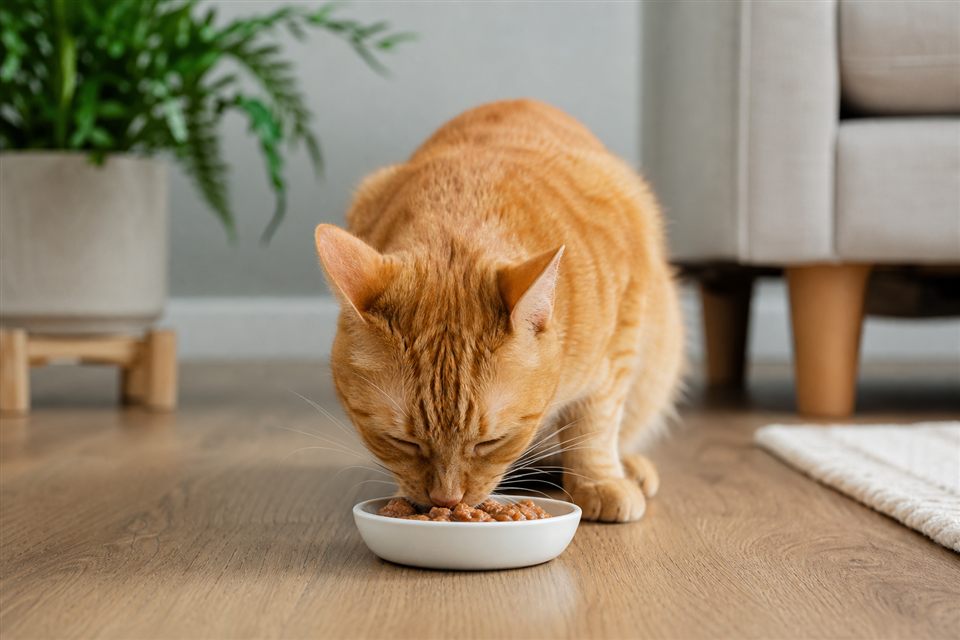
Every Thanksgiving, Jorge's mother saved the giblet bag from the turkey and asked whether Mochi—the family's sleek black cat—could have some. Jorge used to say no out of caution. Last year he looked it up properly, simmered the heart and a sliver of liver in plain water, chopped them fine, and mixed a teaspoon into Mochi's wet food. Mochi ate with the focus of a cat who believes she hunted it herself.
Key points at a glance
- Cooked plain turkey heart is safe for cats in small amounts
- Liver is nutritious but must be limited—too much causes vitamin A toxicity
- Never feed raw giblets; cooking reduces bacteria like Salmonella
- Skip giblets cooked inside a seasoned stuffed bird—use plain prep only
- Giblets supplement food; they do not replace balanced cat nutrition
Are turkey giblets safe for cats?
The giblet packet typically contains heart, liver, and sometimes gizzard and neck. Heart and liver are the parts most owners share with cats. Both are animal protein sources cats handle well when cooked plain without salt, onion, garlic, or poultry seasoning.
Heart is lean muscle meat—rich in taurine, which cats require. Liver is nutrient-dense but requires strict portion control.
How much liver is too much?
Liver concentrates vitamin A. Cats who eat large or frequent liver servings can develop hypervitaminosis A—symptoms include bone pain, stiffness, and in severe cases, skeletal abnormalities over time.
Safe guideline for occasional treats:
- Liver: no more than 1 teaspoon for an average cat, once weekly at most
- Heart: 1–2 teaspoons chopped, once or twice weekly
When in doubt, lean toward less liver, not more.
| Organ | Benefit | Risk if overfed |
|---|---|---|
| Heart | Taurine, protein, low fat | Minimal at treat portions |
| Liver | Iron, B vitamins | Vitamin A toxicity |
| Gizzard | Chewy texture, protein | Tough unless finely chopped |
How should you cook turkey giblets for cats?
Simmer in plain water until fully cooked—internal temperature for poultry should reach 165°F (74°C). Do not fry in butter or bacon fat. Do not use the giblets that roasted inside a cavity stuffed with seasoned bread dressing; they absorb fat and spices from the bird.
Cool, chop finely, and mix a small amount into regular cat food. Some cats accept giblets alone; others prefer them blended.
What about raw giblets?
Raw poultry carries Salmonella and Campylobacter, which sicken cats and can spread to humans through litter boxes and saliva. Freezing does not make raw giblets safe for regular feeding. Cook thoroughly every time.
Commercial raw diets are a separate category with their own handling protocols. Thanksgiving giblets from your kitchen should always hit the stove first.
What about the neck and gizzard from the giblet bag?
The neck provides chewy protein but must be fully deboned before serving—small bones splinter and lodge in throats. Gizzards are muscle-like organs that many cats enjoy when sliced paper-thin after long simmering. Treat gizzard like heart: small portions, plain cooking, no seasoning. If prep feels tedious on a busy holiday, heart alone is the simplest safe option from the typical giblet packet.
Can kittens eat giblets?
Kittens weaned onto solid food can try a tiny amount of finely minced cooked heart. Skip liver for very young kittens unless your vet suggests it for a specific reason. Their vitamin A tolerance is lower relative to body size.
Jorge now sets aside a plain giblet batch before his mother seasons anything else. Mochi gets heart-heavy portions with just a fingernail of liver mixed in. Her daily meals remain a complete commercial cat food with guaranteed taurine levels. If your cat has liver or kidney disease, or you are building a homemade cat diet, work with a veterinary nutritionist—organ meats are powerful and need precise balancing.