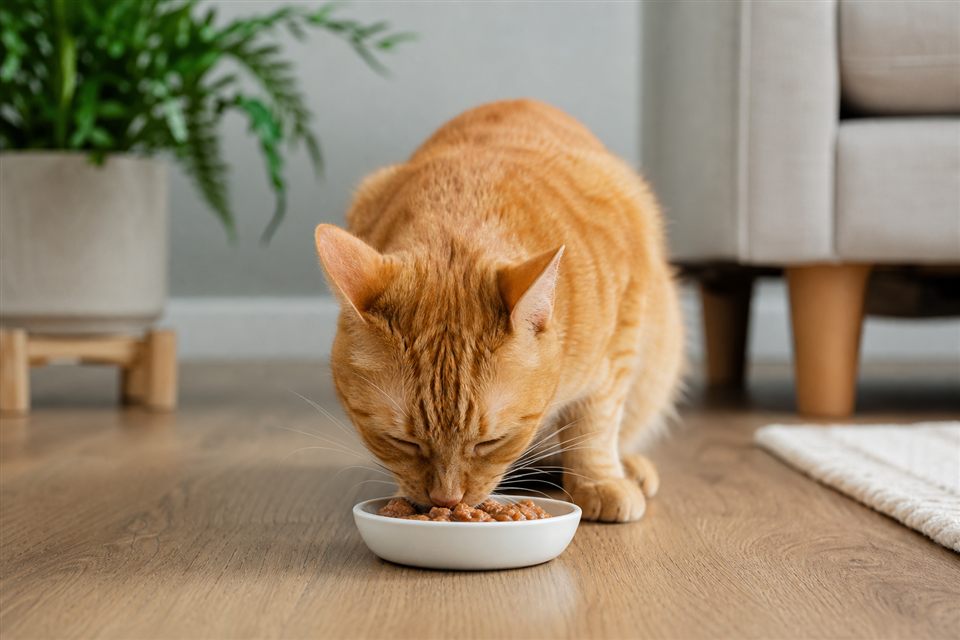
Priya bought tilapia fillets because they were affordable and mild—easier to cook than salmon for her household. Her indoor cat, Nimbus, had only ever tasted tuna from a pouch, and Priya wondered whether tilapia offered a smarter fish treat given everything she had read about mercury. She baked one plain fillet, flaked a forkful, and watched Nimbus decide in silence that white fish deserved a second chance.
Key points at a glance
- Cooked plain tilapia without oil, salt, or seasoning is safe for most healthy cats as an occasional treat.
- Tilapia ranks low on mercury exposure charts compared with tuna, swordfish, and mackerel— sensible for periodic treats.
- Indoor cats have no mercury immunity; low mercury means lower risk, not zero risk with daily feeding.
- Offer one to two tablespoons of flaked cooked fish per average cat, one to three times weekly—not daily meals.
- Raw tilapia risks bacterial contamination; cook until flesh flakes opaque throughout.
- Remove all bones; pin bones in fillets cause choking and oral trauma.
- Fish-only diets cause thiamine deficiency and taurine imbalance—commercial cat food remains essential.
Why tilapia works as a white fish treat
Tilapia is a freshwater farmed fish with mild flavor many cats accept when rejecting stronger oily fish. Protein content supports carnivore needs; fat stays lower than salmon, useful for overweight indoor cats when portions are controlled. Omega-3 levels are modest compared with sardines— tilapia is protein treat, not fatty acid supplement.
Indoor cats metabolize fish like outdoor cats; "indoor" does not change biochemistry, only activity level affecting calorie needs. Mercury concern applies equally—indoor status does not detoxify heavy metals. What indoor lifestyle changes is total environmental exposure: indoor cats lack prey-caught fish altogether, so owner-controlled treats dominate their mercury budget entirely.
Priya feeds Nimbus measured tilapia flakes twice weekly instead of daily tuna pouches. That swap reduced cumulative mercury and sodium from packaged tuna while preserving fish enthusiasm.
Mercury: tilapia versus tuna and other species
Mercury bioaccumulates up the food chain. Large long-lived predatory fish—tuna, swordfish, king mackerel, tilefish—concentrate methylmercury from prey. Tilapia, being smaller, shorter-lived, and often farm-raised on controlled feed, typically shows lower mercury residues in FDA monitoring summaries.
Low mercury is not no mercury. Chronic daily fish feeding of any species accumulates exposure over years. Occasional tilapia treats fit feline health; tilapia-as-diet does not.
| Fish type | Mercury concern | Treat suitability |
|---|---|---|
| Tilapia | Low | Good occasional choice |
| Salmon (wild) | Low–moderate | Good, watch fat |
| Canned tuna | Moderate–high | Limit frequency |
| Swordfish | Very high | Avoid |
| Sardines (canned) | Low | Good in moderation, watch sodium |
Indoor cats on multiple fish treats weekly from different sources still stack exposure. Rotate proteins; include non-fish treats.
Safe preparation and portions
Buy boneless fillets when possible; run fingers along flesh to detect pin bones before cooking. Bake, steam, or poach in water without oil or seasonings until internal opacity and flaking occur—roughly 10–15 minutes at 375°F for average fillet thickness depending on oven.
Flake finely for cats who gulp. Cool completely before serving. Discard skin if seasoned during human meal prep; plain skin is acceptable if thoroughly scaled and cooked plain, though many cats prefer flesh only.
| Cat size | Cooked tilapia portion | Frequency |
|---|---|---|
| Small (under 8 lb) | 1 tbsp flaked | 1–3× weekly |
| Average (8–12 lb) | 1–2 tbsp | 1–3× weekly |
| Large (12+ lb) | 2–3 tbsp | 1–3× weekly |
Subtract treat calories from daily intake if weight management matters— tilapia adds protein calories even when lean.
Farm-raised versus wild: practical differences
Most grocery tilapia is farm-raised in Asia, Latin America, or domestic operations with varying regulatory oversight. Antibiotic and contaminant concerns appear in news cycles periodically; sourcing from reputable retailers with supply chain standards reduces but eliminates no risk.
Wild tilapia where available follows similar low-mercury profile with different environmental contaminant profiles depending on water quality. Neither variant replaces balanced cat food.
Rinse fillets if previously frozen with ice glaze; pat dry before plain cooking. Avoid pre-marinated or breaded products sharing the package case.
Health conditions altering fish treats
Kidney disease cats may need phosphorus control— fish contributes phosphorus density that stacks atop renal diets. Hyperthyroid cats receiving iodine-sensitive management should coordinate seafood frequency with endocrine vets.
Food allergies to fish present as chronic skin or GI signs. Tilapia may cross-react if tuna allergy exists—introduce cautiously during stable health periods, not mid-flare.
Pancreatitis history favors lean tilapia over oily salmon, but fat-free cooking matters more than species choice— no butter pan searing "for flavor."
Thiaminase and fish-only feeding danger
Raw fish and some species contain thiaminase enzymes destroying thiamine (vitamin B1). Cooking denatures most thiaminase activity, but feeding fish exclusively still causes nutritional collapse— taurine shortfall, calcium imbalance, B1 deficiency if any raw component sneaks in via mixed feeding experiments.
Historical "fish-only cat" folklore produced neurologic disease and heart failure. Modern owners know better; occasional cooked tilapia avoids that trap when kibble or wet complete food supplies the rest.
Packaged fish products compared
Tuna cat pouches often include sodium, broth, and thickeners beyond plain fish. Plain home-cooked tilapia controls ingredients precisely. Freeze-dried fish cat treats undergo processing review— acceptable when labeled complete treat, not meal.
Human tilapia products with lemon pepper, garlic herb butter, or breading fail cat safety tests instantly.
Signs fish treats are not agreeing
Vomiting, diarrhea, or fishy breath excess after meals suggests portion overshoot or contamination. Neurologic signs from chronic thiamine deficiency appear only with prolonged imbalanced feeding—not single treats.
Bone obstruction shows distress, drooling, and regurgitation attempts. Prevent with meticulous deboning.
The bottom line
Cooked plain tilapia offers indoor cats a low-mercury white fish option for occasional treats when boneless, unseasoned, and portion-controlled. Mercury matters even for apartment cats who never hunt— cumulative treat choices define exposure, not outdoor access. Nimbus gets flaked tilapia on Wednesdays; tuna pouches moved to monthly rarity. Priya calls that a fair trade for years of quiet kidneys and steady weight.
This article is for informational purposes only and is not a substitute for professional veterinary advice. Consult your veterinarian before introducing new foods, especially if your cat has existing health conditions.