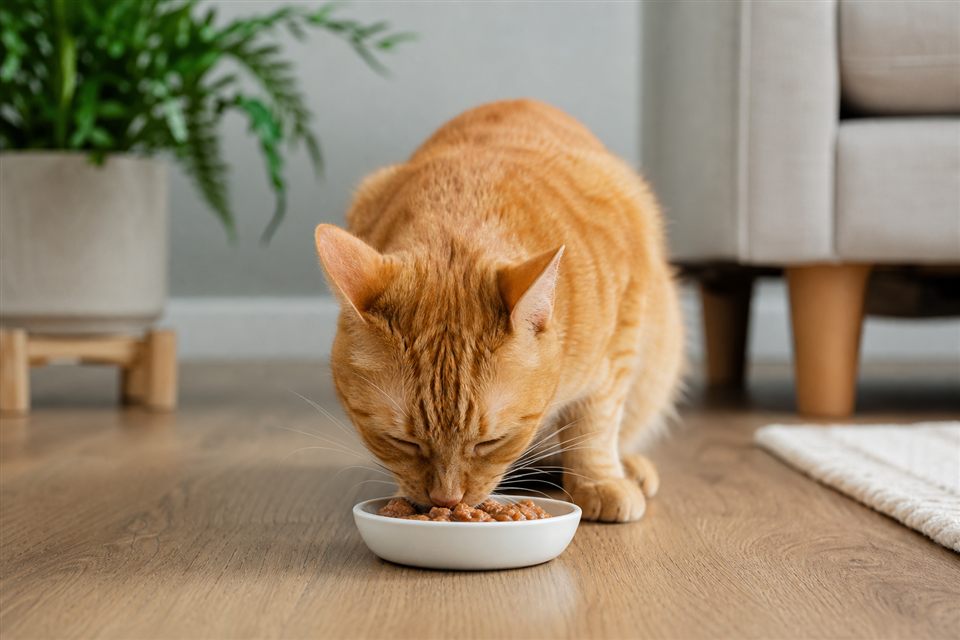
Linda steamed shrimp for pasta night and set aside two plain tails for her tabby, Mochi, before adding garlic butter to the pan. Mochi chirped the specific trill he reserves for seafood and demolished both in seconds. Linda smiled—then opened her phone to confirm she had not just traded dinner charm for a vet bill.
Key points at a glance
- Cooked plain peeled shrimp without butter, salt, or seasoning is safe for most healthy cats as an occasional treat.
- Shrimp provides lean protein, taurine precursors, and omega-3 fatty acids cats utilize efficiently.
- Offer one small shrimp per cat for average-sized adults, two to three times weekly at most—not daily.
- Raw shrimp carries bacterial and parasite risk; always cook thoroughly until opaque and firm.
- Shells, tails, and veins should be removed to prevent choking and digestive irritation.
- Cats with seafood allergies, kidney disease, or sodium-restricted diets need vet approval first.
- Breaded, fried, or cocktail-sauce shrimp are never appropriate for cats.
Why plain cooked shrimp suits cats
Cats are obligate carnivores. Animal protein dominates their nutritional architecture. Shrimp delivers highly digestible protein with minimal carbohydrate—aligned with feline metabolism. Taurine, essential for heart and eye health, appears in seafood including shrimp, though commercial cat food remains the reliable taurine source because levels vary in whole foods.
Omega-3 fatty acids in shrimp support skin and coat quality in moderation. Shrimp also contains selenium, B12, and phosphorus. None of this replaces balanced cat food; shrimp is enrichment, not foundation.
Linda's mistake would have been tossing Mochi a tail from the garlic butter batch. Allium compounds damage feline red blood cells. Butter adds fat that triggers pancreatitis in susceptible cats. Plain means steamed or boiled in water only—nothing else touched the flesh.
How often is safe—and how much
Frequency matters because treats cumulate. Shrimp is low mercury compared with large predatory fish, but it still contributes calories, cholesterol, and sodium trace amounts that add up with daily feeding. Reserve shrimp for rotation with other approved treats rather than staple topping.
| Cat size | Portion per serving | Frequency |
|---|---|---|
| Small (under 8 lb) | 1/2 small shrimp | 2–3× weekly |
| Average (8–12 lb) | 1 small shrimp | 2–3× weekly |
| Large (12+ lb) | 1–2 small shrimp | 2–3× weekly |
Chop shrimp for cats who bolt food without chewing. Whole large prawns exceed what a cat needs and pose obstruction risk in enthusiastic eaters.
Preparation: peel, devein, cook
Buy raw shrimp peeled and deveined when possible. If not, remove shell, tail, and dark vein along the back—indigestible chitin in shells irritates feline guts and may not pass cleanly. Rinse under cold water.
Steam, boil, or poach until flesh turns pink and opaque throughout—typically three to five minutes for medium shrimp depending on method. No oil in the pan. Cool to room temperature before serving; hot protein burns delicate mouth tissue.
Frozen shrimp is fine if thawed in the refrigerator, not counter-top warm water that breeds bacteria. Pre-cooked frozen shrimp acceptable if ingredient list shows shrimp only—reject brands with sodium tripolyphosphate baths if your cat is sodium-sensitive.
Shrimp versus other seafood treats
Salmon and sardines offer higher omega-3 density but carry mercury or sodium concerns depending on species and preparation. Tuna treats popular with cats risk mercury accumulation with frequent feeding. Shrimp occupies a middle ground: occasional use, lower mercury than tuna, less omega-3 than oily fish.
Rotate seafood treats rather than defaulting to one species daily. Variety reduces contaminant concentration risk and prevents finicky cats from rejecting regular food when shrimp is unavailable.
Health conditions that change the answer
Kidney disease cats often need phosphorus and protein restriction—shrimp may exceed allowances in a diet already balancing those minerals. Hyperthyroid cats need consistent iodine intake; seafood iodine content can complicate management if fed unpredictably.
Food allergies in cats manifest as itching, gastrointestinal signs, or chronic ear inflammation. Fish and seafood allergies exist—introduce one bite and monitor 48 hours before repeating.
Pancreatitis survivors and obese cats should minimize high-fat additions even from lean shrimp if combined with buttery human preparations by mistake. Plain preparation keeps fat moderate.
What never to feed
Garlic butter shrimp, coconut shrimp, tempura batter, shrimp scampi, and shrimp cocktail with horseradish sauce—all fail multiple tests: fat, onion, garlic, salt, spices. Canned shrimp in brine concentrates sodium; rinse if desperate, but fresh plain cooked is superior.
Raw shrimp from sushi platters risks vibrio and other pathogens. Cats handle some bacteria differently than humans, but raw seafood still causes vomiting and diarrhea—and poses zoonotic risk to immunocompromised owners handling litter after sick cats.
Signs shrimp disagreed with your cat
Vomiting within six hours, diarrhea, lethargy, or lip swelling suggest intolerance, contamination, or accidental seasoning exposure. Persistent symptoms beyond 24 hours warrant veterinary contact.
Choking signs include pawing mouth, exaggerated swallowing, and distress vocalization—more common with tails or shells left on. Prevent rather than respond.
The bottom line
Cooked plain peeled shrimp makes a protein-rich occasional treat most healthy cats enjoy without complication when served plain, shelled, and portion-small. Two or three times weekly beats daily seafood habits that displace balanced nutrition and stack hidden sodium. Mochi still trills on pasta night—but Linda seasons her portion after his plain tails hit the bowl, and that order never swaps.
This article is for informational purposes only and is not a substitute for professional veterinary advice. Consult your veterinarian before introducing new foods, especially if your cat has existing health conditions.