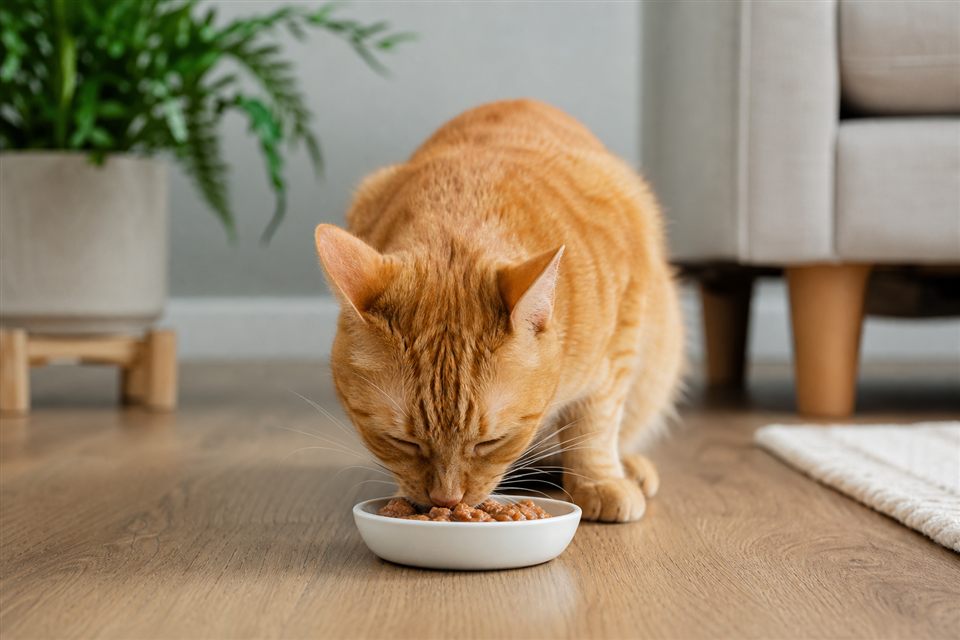
Linda seared scallops for a date-night dinner while her tabby, Mochi, performed gravity-defying leaps onto the counter. Linda shooed her away, then saved one plain piece—no butter finish, no garlic pan sauce—for Mochi to sniff. Mochi ate it in two bites and immediately looked offended that there was not more. Linda's next question was obvious: were scallops a fancy treat or a mistake?
Key points at a glance
- Plain cooked scallops are generally safe for cats in small amounts.
- Scallops provide lean protein that aligns with a cat's carnivorous diet.
- Never add butter, garlic, onion, salt, or wine-based sauces.
- Cook thoroughly; raw scallops carry bacterial and parasite risks.
- Shells and tough adductor muscle bits must be removed before serving.
- Treat scallops as occasional—not daily—due to cost and balance concerns.
Are scallops safe for cats?
Yes, for most healthy cats. Scallops are lean seafood rich in protein, which suits obligate carnivores far better than carb-heavy human snacks. The flesh itself is not listed among common feline toxins.
Safety hinges entirely on preparation. A restaurant scallop drenched in garlic butter fails the test instantly. Garlic and onions damage red blood cells in cats even in amounts that seem small to us. Butter adds unnecessary fat that can trigger vomiting or pancreatitis in sensitive cats.
Nutritional value for cats
Scallops offer high-quality animal protein, taurine precursors from muscle tissue, and minerals such as selenium and vitamin B12. Cats require animal-based protein daily, but complete commercial cat food already delivers balanced nutrition including taurine, which scallops alone cannot fully replace.
| Nutrient | Relevance for cats |
|---|---|
| Protein | Supports muscle maintenance |
| Low fat (when plain) | Safer than butter-heavy treats |
| Selenium | Antioxidant support in trace amounts |
| Taurine | Essential for cats; balanced food remains primary source |
How to prepare scallops for cats
Buy fresh or frozen scallops from a reputable source. Thaw frozen scallops in the refrigerator, not on the counter. Pan-sear, bake, or boil without oil, salt, or seasoning until the flesh is opaque and firm. Internal temperature should reach at least 145°F to reduce bacterial risk.
Remove any remaining side muscle, cartilage, or shell fragments. Cut the scallop into pea-sized pieces appropriate for your cat's mouth. Let it cool before serving.
Portion guidelines
Scallops are a treat, not a meal:
- Average adult cat: 1/2 to 1 small scallop's worth of flesh
- Kittens: Skip unless your veterinarian recommends a specific diet
- Frequency: No more than once or twice a month for most cats
Overfeeding seafood can unbalance the diet and may contribute to hyperthyroidism concerns when fish-heavy diets become habitual. Rotate scallops with other approved protein treats rather than relying on seafood alone.
Risks and ingredients to avoid
Never feed raw scallops. Raw shellfish may harbor bacteria like Salmonella or Vibrio and parasites that cooking destroys. Avoid smoked scallops packed in brine or oil—they are too salty and fatty.
Watch for allergic reactions, which can include vomiting, diarrhea, or itchy skin around the face and ears. If symptoms appear after the first taste, discontinue scallops and mention the reaction to your vet.
Scallops versus other seafood treats
Scallops are lower in mercury than large predatory fish like tuna or swordfish, which makes them a reasonable occasional choice for cats. Sardines and plain cooked shrimp follow similar rules: protein-rich, fully cooked, minimally processed. Rotating proteins prevents your cat from fixating on one flavor while keeping treat calories in check.
Avoid feeding sushi-grade raw scallops marketed for human consumption. "Sushi grade" describes handling standards for people, not safety guarantees for cats. Mochi got cooked flesh only, and Linda planned to keep it that way.
When to consult your veterinarian
Speak with your vet before offering scallops if your cat has kidney disease, food allergies, pancreatitis, or is on a prescription diet. Call immediately if your cat eats seasoned scallops containing garlic or onion, or shows persistent vomiting after eating plain scallops.
Cats with hyperthyroidism may need limited iodine intake depending on their treatment plan. Although scallops are not the highest-iodine seafood, your vet should know about any recurring human-food treats during thyroid management.
This article offers general cat nutrition information and is not a substitute for professional veterinary advice.