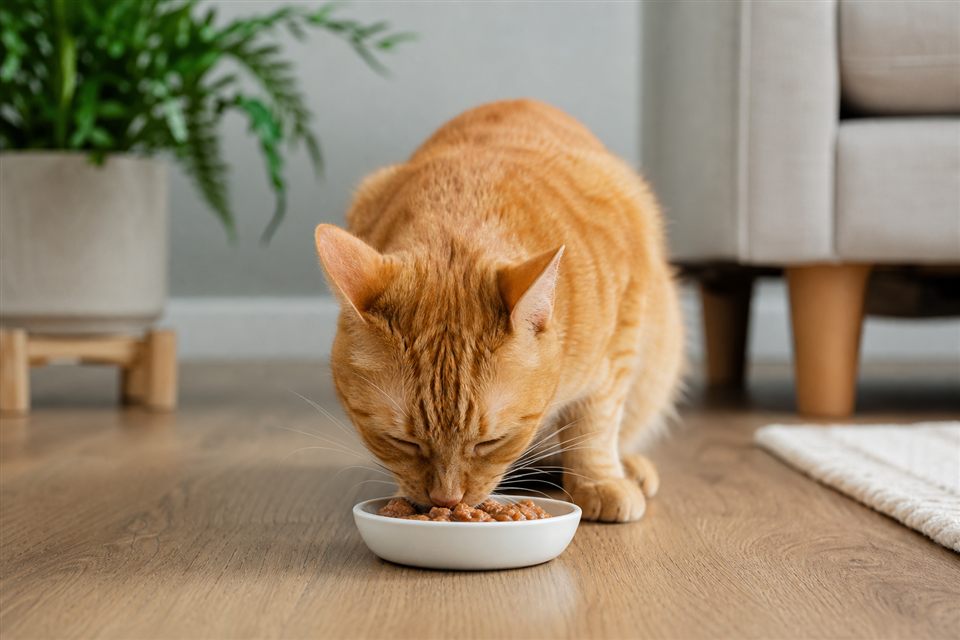
Rosa's tabby, Fig, had turned her nose up at chicken for three days straight — a protest, not an illness, according to the vet. Rosa baked a small piece of plain mackerel, flaked it fine, and offered a teaspoon. Fig ate like she'd been starving on purpose. Rosa wanted to make mackerel a daily habit until she read about mercury and pulled back to once a week instead.
Key points at a glance
- Cooked plain mackerel is a protein-rich treat most cats accept readily.
- Atlantic mackerel ( smaller species) is lower in mercury than king or Spanish mackerel.
- Limit mackerel to one small serving per week for an average adult cat.
- Never feed raw mackerel — thiaminase can destroy vitamin B1 and cause neurological problems.
- Fish alone does not meet a cat's full nutritional needs long-term.
Mackerel and cats — a natural match, with limits
Cats are obligate carnivores with a strong preference for animal protein and aroma. Oily fish like mackerel deliver protein, omega-3 fatty acids (EPA and DHA), and a smell that finicky eaters often find irresistible. That makes mackerel useful as a temporary appetite stimulant or occasional treat — not as a daily diet.
The mercury question is real but often overstated for the right species. Mercury accumulates in large, long-lived predatory fish. North Atlantic mackerel (Scomber scombrus) — the kind commonly sold as fillets in grocery stores — is a smaller, shorter-lived fish with relatively low mercury levels. King mackerel, Spanish mackerel, and other large species sit higher on the mercury chart and should be avoided for cats entirely.
Mercury: what the research suggests
The FDA places North Atlantic mackerel among fish that are lower in mercury compared to tuna, swordfish, or tilefish. That doesn't mean zero mercury — it means occasional small servings fall within acceptable exposure for a healthy cat when you aren't also feeding other high-mercury fish the same week.
| Fish type | Mercury concern for cats | Suggested frequency |
|---|---|---|
| Atlantic mackerel (fillet) | Low to moderate | Once weekly, small portion |
| King / Spanish mackerel | High | Avoid |
| Canned mackerel (in water, plain) | Low to moderate | Once weekly, rinsed |
| Tuna (for comparison) | Moderate to high | Less often than mackerel |
Mercury toxicity builds slowly. Signs include neurological changes, coordination problems, and kidney damage over long exposure — not a single bite. The practical rule: rotate proteins and don't let fish of any kind dominate your cat's calories.
How to cook and serve mackerel
Bake, poach, or steam mackerel without salt, oil, garlic, onion, or smoking. Remove all bones — mackerel bones are small and brittle; flake the flesh carefully between your fingers and discard any hard bits. Skin is fine if it's plain; avoid skin that's been salted or crisped with seasoning.
A teaspoon to a tablespoon of flaked mackerel is plenty for an average 10-pound cat. Larger cats can have slightly more, but you're still measuring in tablespoons, not ounces. Mix into regular food if you're encouraging appetite, or offer separately as a treat.
Never feed raw mackerel. Raw fish contains thiaminase, an enzyme that breaks down thiamine (vitamin B1). Cats deficient in B1 develop neurological symptoms including head tilt, seizures, and cervical ventroflexion (the "bowing" neck posture). Cooking destroys thiaminase.
Cats who need extra caution
Kittens, pregnant cats, and cats with kidney disease need vet guidance before adding fish treats.
Canned vs. fresh mackerel
Plain canned mackerel packed in water — rinsed — works when you don't want to cook. Avoid smoked or sauced varieties.
The bottom line
Cooked plain mackerel is a safe, appealing treat for most cats when you choose low-mercury Atlantic species and serve small portions about once a week. Cook it thoroughly, debone it obsessively, and don't let fish replace balanced cat food. Fig still gets her mackerel — just not every night — and Rosa keeps the rest of the fillet for her own lunch.
This article is for general informational purposes only and does not replace advice from your veterinarian. Always consult your vet before introducing new foods, especially if your cat has existing health conditions.