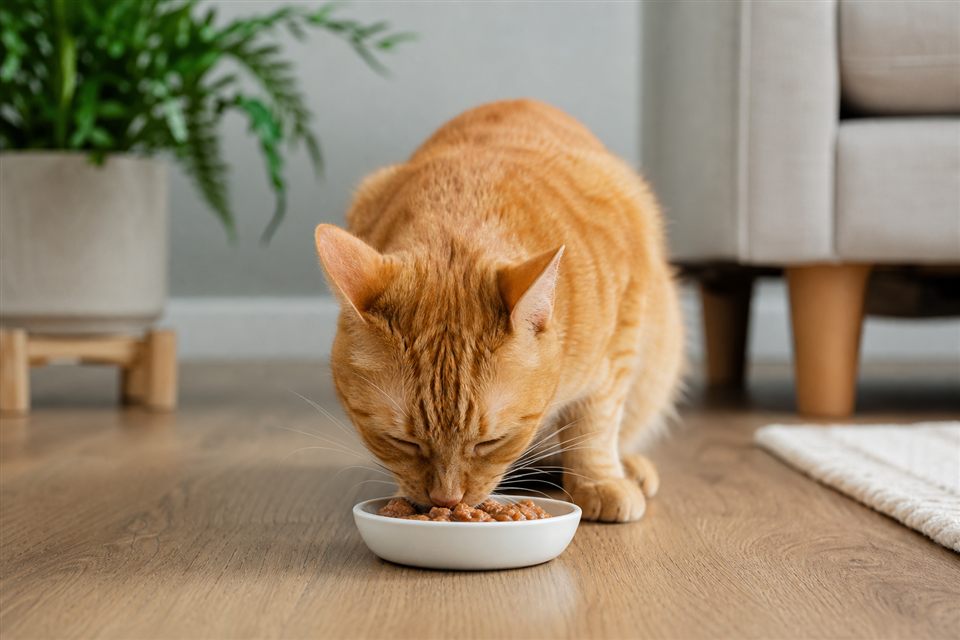
Saturday at 11:35 a.m., Aisha Rahman thawed a $3.99 tray of chicken gizzards in a bowl of cold water in her Atlanta kitchen. Fig, her 13-pound Maine Coon, sat on the toaster oven and supervised. The clinic had suggested a higher-protein topper after Fig walked away from a $42 bag of dental kibble for two days. Aisha wanted something cooked, unsalted, and small enough that it would not become a second lunch.
Key points at a glance
- Cooked plain chicken gizzards are a dense, chewy treat for most cats
- Serve tiny amounts: think 1–2 teaspoons chopped, not a whole gizzard
- No salt, onion, garlic, oil, or air-fryer seasoning
- Gizzards are organ-adjacent muscle; they are not a complete daily diet
- Cook through to 165°F; skip raw supermarket gizzards for household cats
- Freeze extras in single-treat bags so the tray does not disappear in a week
Can cats eat cooked chicken gizzards?
Yes, in small portions. Gizzards are the muscular part of a chicken’s stomach. They are protein-heavy and a bit rubbery, which many cats like to gnaw. Fig ate four 1/4-inch pieces—about 1 teaspoon—in 20 seconds, then licked the cutting board with the focus of a tax auditor.
That is the serving, not the opening bid.
A whole gizzard for a 10-pound cat is a lot of treat. Treats should stay near 10% of daily calories. One average gizzard often weighs 15–25 grams. Weigh it if you can. Guessing is how toppers become meals and how a Maine Coon gains a pound by Thanksgiving.
How should you cook chicken gizzards for cats?
Simmer in water 20–30 minutes until a knife slides through and the center is not raw. Gizzards take longer than hearts. Internal temperature should reach 165°F. A dry pan without oil works if you slice them thin first and watch for charring.
| Method | Time (small gizzards) | Notes |
|---|---|---|
| Simmer | 20–30 min | Soft enough to dice |
| Pressure cook | 12–15 min | Very tender; cool fully |
| Dry pan, sliced | 8–10 min | Can toughen; keep thin |
| Raw | — | Skip for typical home kitchens |
| Fried or breaded | — | No |
Cool to room temp. Cats will still bite a 140°F cube and then refuse dinner. Chop into 1/4-inch bits. A whole gizzard is a gulp hazard for a cat who inhales.
Trim obvious fat and any leftover grit. Rinse before cooking if the tray looks sandy.
How many gizzards can a cat have?
| Cat weight | First serving | Occasional max (2–3x/week) |
|---|---|---|
| 7–8 lb | 1 teaspoon chopped | 2 teaspoons |
| 10–13 lb | 1–2 teaspoons | 1 tablespoon |
| 14–16 lb | 2 teaspoons | 1 small gizzard, chopped |
| 18+ lb | 1 tablespoon | 1 gizzard |
If Fig is on a dental or urinary diet, Aisha keeps gizzards as a topper on the prescribed food, not a bowl of organs. Changing the mineral mix without a vet is how crystals come back.
Do gizzards replace a complete cat food?
No. They are a chewy protein extra. They do not balance calcium, taurine, and vitamins the way a complete food does. Cooking also reduces some heat-sensitive nutrients. A few cooked pieces a week will not replace the $42 kibble, and they should not.
If you are building a homemade diet, you need a veterinary nutritionist, not a tray from the poultry case.
What should you watch after the first serving?
Litter box first. If urine volume drops, if Fig strains, or if you see blood, stop and call. A blocked male cat is a same-day emergency.
Stool that turns loose or tarry means you overdid the organ-style meat. Skip the next three days. Offer water. Atlanta summers push indoor temps to 78°F if the A/C lags; a cat who ate salty leftovers will drink more, but your gizzards should not be salty in the first place.
Aisha labels freezer bags: “Fig, 1 tsp.” The rest of the tray becomes her soup, not an all-you-can-eat bar on the counter.
This article is for general education only and does not replace veterinary care. Call your vet if symptoms persist or worsen.