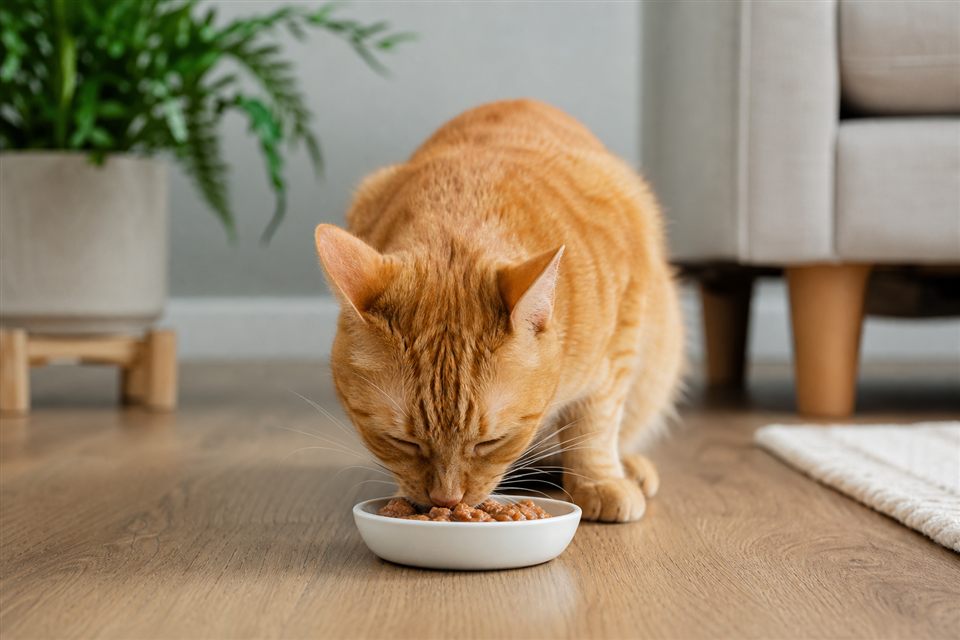
Claire opened a tin of anchovies for Caesar salad and within seconds her black shorthair, Fig, appeared as though summoned by a fishy bat signal. Claire rinsed one small fillet under water to wash off excess salt, broke it into tiny flakes, and offered a pinch. Fig inhaled it and began a loud, persistent campaign for seconds. Claire wondered whether tiny oily fish were cat heaven or a sodium trap she should avoid.
Key points at a glance
- Plain cooked anchovies are generally safe for cats as an occasional treat.
- Anchovies provide protein and omega-3 fatty acids cats can use.
- Rinse canned anchovies to reduce sodium before serving.
- Avoid anchovies packed in oil, spices, capers, or tomato sauce.
- Soft bones in small fish are usually digestible but watch for choking.
- Limit frequency to prevent excess salt and fish-heavy diet imbalance.
Are anchovies safe for cats?
Anchovies are small, soft-boned fish that align well with a cat's carnivorous needs. Plain cooked or water-packed anchovies without added seasonings are not toxic and can deliver useful protein and fats. Many cats find the strong aroma irresistible, which makes anchovies useful for hiding medication—under veterinary guidance.
The danger lies in how anchovies are packaged for humans. Salt-cured, oil-packed, and seasoned anchovy fillets often contain sodium levels far too high for cats, plus garlic and herbs that may cause harm.
Nutritional benefits
Anchovies offer animal protein, omega-3 fatty acids (EPA and DHA), and trace minerals. Omega-3s support skin, coat, and joint health in some cats, though balanced cat food already includes fats tailored to feline needs.
| Anchovy product | Safe for cats? |
|---|---|
| Plain cooked fresh anchovy | Yes, small portions |
| Water-packed, no salt added | Yes, best canned option |
| Salt-packed canned fillets | Only if rinsed and given rarely |
| Anchovies in olive oil with spices | Avoid |
| Anchovy paste with garlic | Never |
How to prepare anchovies for cats
If using canned anchovies, choose water-packed varieties labeled low sodium when possible. Rinse fillets under cool running water for 30 seconds to remove surface salt. Pat dry and flake into pieces smaller than your cat's kibble.
Fresh anchovies should be gutted, thoroughly cooked, and served plain. Never feed raw anchovies because of bacterial and parasite risks. Remove any large or stiff bones if present, though most anchovy bones soften with cooking.
Portion sizes and frequency
Anchovies are potent in flavor and salt even after rinsing:
- Average adult cat: 1/2 to 1 small fillet, flaked
- Frequency: Once a week or less
Cats on sodium-restricted diets for heart or kidney disease should not receive anchovies unless your veterinarian explicitly approves. Kittens under twelve weeks should stick to kitten formula and vet-recommended foods.
Potential risks
Excess sodium can strain kidneys and contribute to hypertension over time. Heavy fish diets have been linked to thiamine deficiency in rare cases when raw fish enzymes destroy the vitamin—another reason to stick with cooked portions and moderate amounts.
Some cats develop fish allergies manifesting as itchy skin, ear infections, or gastrointestinal upset. If Fig had reacted with vomiting after the first pinch, Claire would have stopped immediately.
Safer alternatives and vet guidance
Commercial single-ingredient freeze-dried fish treats formulated for cats often control sodium better than human pantry tins. Ask your vet about fish oil supplements if you want omega-3 benefits without table food.
Some owners use a tiny flake of rinsed anchovy to hide pills. That trick works only when your cat already tolerates fish and your veterinarian confirms the medication can be given with food. Fig took hers wrapped in a pill pocket instead, which kept anchovy treats purely optional.
Building fish treats into a balanced routine
Treats of any kind—including anchovies—should stay below 10 percent of daily calories. For an average 10-pound indoor cat, that often means fewer than 20 calories from extras. One small anchovy fillet can approach that ceiling quickly, which is another reason Claire treated them as monthly luxuries rather than weekly habits.
Contact your veterinarian if your cat eats seasoned anchovy products containing garlic, consumes a large quantity of salt-packed fillets, or shows vomiting, tremors, or excessive thirst afterward. This article is educational and is not a substitute for professional veterinary advice.