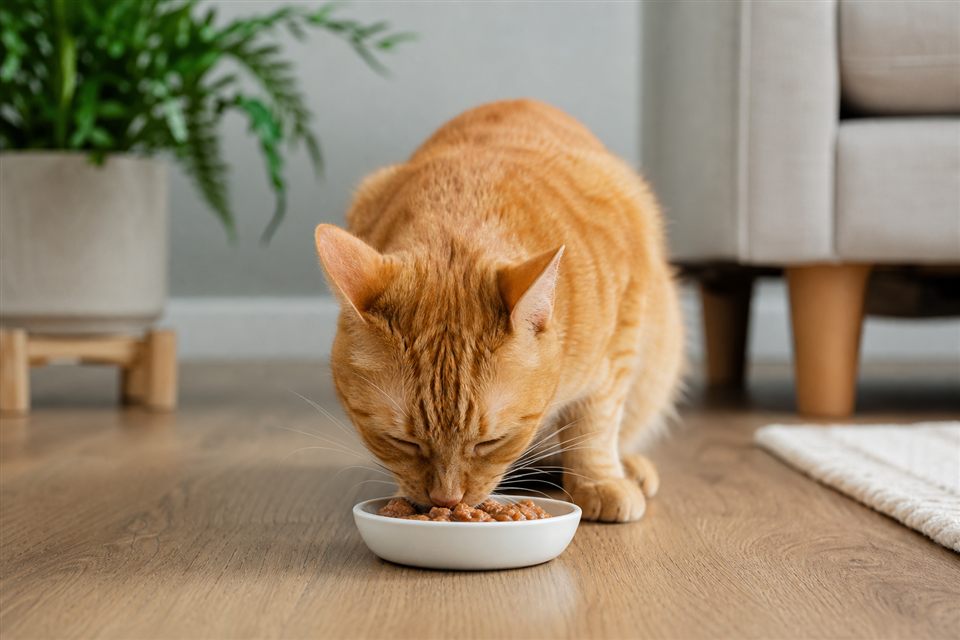
Every Sunday, Helen soft-boiled eggs for breakfast and saved the yolks for her senior Siamese, Figaro. She had heard whites caused problems and wondered whether yolk-only was genius or an oversimplified hack. Figaro certainly thought it was genius, weaving between her ankles until the yellow crumbles hit his dish.
Key points at a glance
- Cooked egg yolk in small amounts is a safe, nutritious occasional treat for most cats.
- Egg yolks provide protein, fat, and vitamins; they are calorie-dense and should stay portion-controlled.
- Raw egg whites contain avidin, which binds biotin and can cause deficiency if fed excessively over time.
- Cooking egg whites neutralizes avidin; whole cooked eggs are generally safer than raw whites alone.
- Daily large yolk portions contribute to obesity and unbalanced nutrition—treat frequency matters more than yolk versus white debate.
- Never feed raw eggs due to Salmonella risk for cats and humans handling bowls.
- Cats with pancreatitis or hyperlipidemia need veterinary guidance before fatty treats like yolk.
Why yolk-only became popular advice
Egg whites are mostly protein with minimal fat. Raw whites carry avidin, an enzyme inhibitor that reduces biotin absorption when consumed in large quantities over weeks. Cats eating bowls of raw whites daily could theoretically develop skin, coat, or metabolic issues from biotin deficiency. That scenario is uncommon in real life but real enough that cautious owners separate yolks.
Egg yolks contain fat, cholesterol, fat-soluble vitamins, and some protein without the avidin concentration found in whites. Hence the yolk-only treat trend Helen followed.
Cooking changes the equation. Heat denatures avidin in whites, making whole hard-boiled or scrambled eggs—plain, no butter—reasonable occasional treats. Helen chose yolks alone because Figaro's pancreatitis history made lower-fat treats attractive, and yolk portions were easier to scale to a teaspoon.
Can cats eat egg yolk daily?
Technically small daily yolk crumbs may not poison Figaro, but daily is not ideal. Yolks are rich. A half-teaspoon daily sounds tiny yet adds calories that displace complete cat food nutrition over months. Obesity sneaks up on indoor seniors who charm breakfast extras from consistent humans.
Helen's vet suggested two to three yolk treats weekly, not seven. On non-yolk days, Figaro received praise or a kibble from his measured allowance—less exciting, waistline-friendly.
Complete cat diets already meet amino acid and vitamin needs. Yolks supplement joy, not requirements.
| Cat weight | Cooked yolk portion | Suggested frequency |
|---|---|---|
| 5–8 lb | 1/4 tsp crumbled | 2–3 times weekly |
| 8–12 lb | 1/2 tsp | 2–3 times weekly |
| 12–16 lb | 1/2 to 1 tsp | 2 times weekly |
| Overweight | 1/4 tsp max | Weekly |
Adjust downward if stool softens or weight climbs.
Raw egg whites: skip entirely
Skip raw egg whites—and skip raw yolks too. Salmonella Enteritidis contaminates shell eggs routinely enough that public health agencies recommend full cooking for vulnerable households. Cats can shed Salmonella in feces without severe illness, exposing immunocompromised people and children.
Raw feeding communities sometimes mix raw egg into meals. Veterinary infectious disease specialists still cite pathogen risk outweighing marginal coat benefits from uncooked fats.
Avidin concerns add another layer for raw whites specifically. If Helen accidentally mixed a tiny scrap of raw white with yolk once, panic was unnecessary; chronic raw white feeding was the actual pattern to avoid.
Cooking methods that stay cat-safe
Hard-boil eggs twelve minutes, cool, separate yolk, mash with a fork. No salt, pepper, butter, or cooking spray. Scrambled whole egg using a nonstick pan without oil works if you want to use entire eggs occasionally—Helen skipped this for Figaro's fat sensitivity.
Avoid chives, onion powder, or cheese in shared human scrambled eggs. Keep cat portions plain from a dedicated pan if needed.
Store cooked yolk in the refrigerator up to two days; discard if smell shifts.
Whole egg versus yolk-only for different cats
Healthy young cats tolerate occasional whole cooked egg segments well. Cats with history of pancreatitis, hypertriglyceridemia, or obesity benefit from yolk limitation or elimination. Kittens need complete growth formulas—not yolk experiments replacing meals.
Some cats allergic to egg protein react to yolk and white alike because trace white clings to yolk membranes. Figaro showed no itchiness; allergic cats might vomit or develop skin lesions within hours.
How egg yolk fits into a balanced cat diet
Commercial cat food is formulated as complete nutrition. Egg yolk is a supplemental treat, not a meal replacement. If Figaro ate yolk crumbs but skipped his usual wet food because he felt full, he would miss taurine, calcium, and trace minerals cats cannot manufacture from yolk alone.
Mixing yolk into food occasionally to tempt a picky senior is reasonable when total calories stay within your vet's target. Mixing yolk daily while free-feeding dry kibble often doubles fat intake invisibly. Helen tracked Figaro's weight monthly during yolk experiments—a two-ounce gain over six weeks told her frequency was too high.
Kittens under twelve weeks need growth formula, not yolk shortcuts. Pregnant or nursing queens need vet-directed diets, not kitchen egg hacks. When in doubt, ask whether the yolk serves enrichment or nutrition—only the latter belongs in a medical plan.
The bottom line
Cats can eat cooked egg yolk in small, occasional portions; Figaro's Sunday ritual fit that mold when kept to teaspoons, not tablespoons. Skip raw egg whites entirely because of avidin and Salmonella; cooking whites solves avidin if you choose whole cooked eggs instead. Daily yolk feeding is unnecessary and can add weight—Helen kept yolks special, Figaro kept his figure, and breakfast stayed a shared ritual without becoming a biotin experiment gone wrong.
This article is for general informational purposes and is not a substitute for professional veterinary advice. Consult your veterinarian before feeding eggs regularly if your cat has pancreatitis, kidney disease, or food allergies.