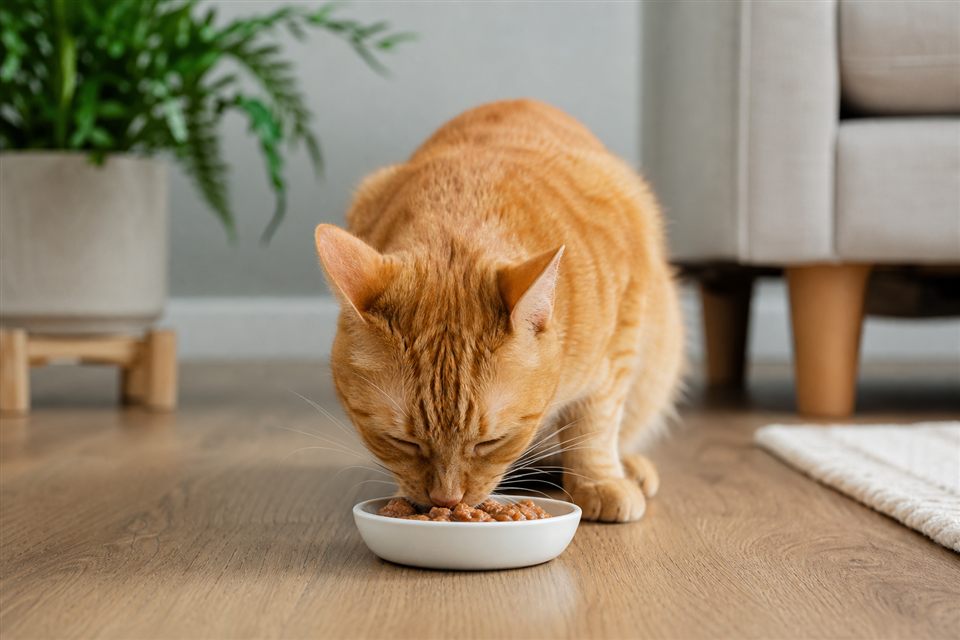
Gumbo's owner, Nate, read online that liver was "nature's multivitamin" and pan-fried a batch for the cats. Fig ate hers; Gumbo vomited twice. The vet explained that liver's vitamin A content makes it powerful in tiny doses and problematic in generous ones. Nate now measures liver in grams, not guesswork.
Key points at a glance
- Cooked beef liver is safe for cats only in very small amounts.
- Liver is extremely rich in vitamin A — overfeeding causes hypervitaminosis A.
- A rough guide: no more than one teaspoon per week for an average adult cat.
- Cook thoroughly with no onion, garlic, or seasoning.
- Liver is not a daily food; treat it like a concentrated supplement.
Why liver is a double-edged treat
Beef liver packs protein, iron, B vitamins, and vitamin A in concentrations far beyond muscle meat. For malnourished cats or those needing short-term appetite stimulation under vet supervision, that density can help. For healthy cats receiving liver weekly as a "superfood," the same density becomes a liability.
Cats require preformed vitamin A (retinol) from animal sources — they can't convert beta-carotene from plants efficiently. That makes liver uniquely relevant to feline nutrition and uniquely dangerous when overfed. Vitamin A is fat-soluble and stored in the liver and fat tissue; excess doesn't flush out in urine like water-soluble vitamins.
Hypervitaminosis A — what too much looks like
Chronic over-supplementation with liver or cod liver oil causes vitamin A toxicity. Signs develop gradually and include:
- Lethargy and poor appetite (ironic, given why people feed liver)
- Weight loss despite eating
- Rough or unkempt coat
- Painful neck — cats may resist having their head touched
- Lameness or reluctance to jump (bone changes from excess A)
- Swollen joints in advanced cases
Acute poisoning from a single massive dose is less common but possible. If your cat eats a large quantity of liver at once, contact your vet or poison helpline. Treatment depends on amount and timing.
How much liver is actually safe?
Exact requirements vary by cat size, life stage, and overall diet. Commercial cat food already contains appropriate vitamin A levels. Adding liver on top counts as stacking, not filling a gap.
| Cat weight | Maximum cooked beef liver | Frequency |
|---|---|---|
| Under 8 lbs | ½ tsp (about 5 g) | Once weekly |
| 8–12 lbs | 1 tsp (about 10 g) | Once weekly |
| Over 12 lbs | 1–1½ tsp (about 10–15 g) | Once weekly |
Pregnant cats should not receive ad-lib liver; excess vitamin A causes congenital defects.
Cooking beef liver properly
Cook liver until no pink remains — pan-fry, boil, or bake plain. No butter, onion, garlic, or liver-and-onions seasoning blends. Onion and garlic destroy red blood cells in cats. Butter adds fat cats don't need in a food already rich.
Cut cooked liver into tiny pieces or mash into wet food. Liver's strong smell drives enthusiasm; small portions satisfy without overshooting vitamin limits. Freeze pre-portioned amounts so you're not slicing from a large batch each time and accidentally overserving.
Never feed raw liver routinely. Raw liver carries pathogens and still contains the same vitamin A concentration — cooking doesn't reduce vitamin A meaningfully, so portion limits apply either way.
Liver vs. other organ meats
Kidney and heart have different nutrient profiles — don't substitute larger portions of other organs thinking they're equivalent.
When liver might help under vet guidance
Anemic cats or those on temporary appetite support sometimes receive measured liver under professional direction. Healthy cats on complete commercial food don't need liver at all.
The bottom line
Cooked beef liver in small amounts — think teaspoon, not tablespoon — is a safe occasional treat for most cats when fed no more than once a week. The vitamin A content is the limiting factor, not toxicity from the meat itself. Measure, cook plain, and don't stack liver treats on top of diets that already include organ meat. Fig still gets hers; Gumbo sticks to chicken until Nate stops experimenting.
This article is for general informational purposes only and does not replace advice from your veterinarian. Always consult your vet before introducing new foods, especially if your cat has existing health conditions.