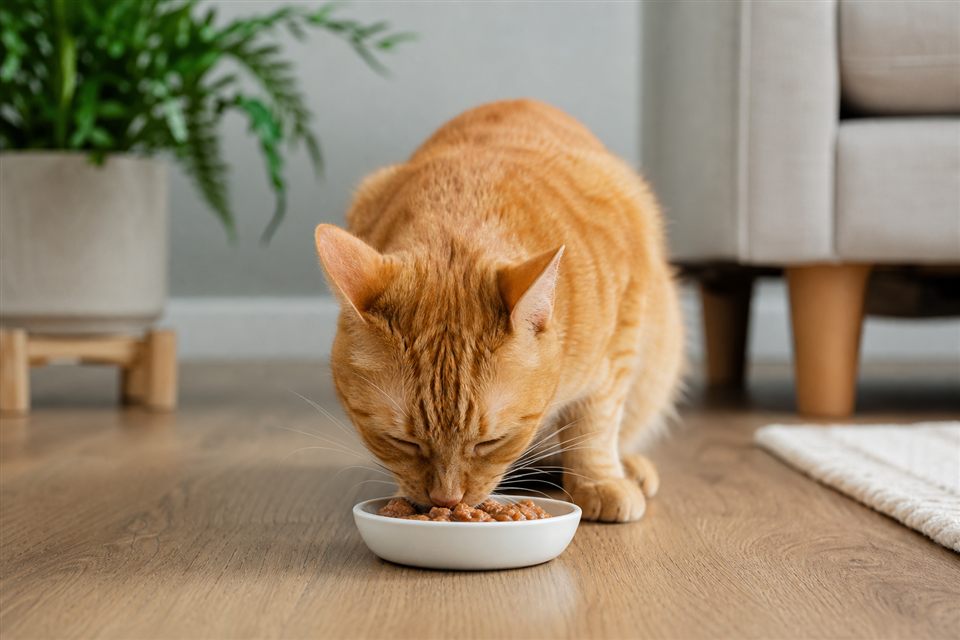

Open a can of tuna in water and half the cats in the house materialize from nowhere. Tuna is aromatic, protein-rich, and easy — which is exactly why it becomes a daily habit for well-meaning owners. Unfortunately, tuna formulated for humans is not complete cat food. Fed every day, it can create serious gaps in nutrition and long-term health risks cats do not show until damage is underway.
Key points at a glance
- Occasional tuna treats (a tablespoon or two) are fine for most healthy adult cats.
- Daily tuna as a main diet leads to nutrient deficiencies, especially thiamine (vitamin B1) and vitamin E.
- Mercury accumulates in large predatory fish — chronic exposure is a concern for cats eating tuna repeatedly.
- Tuna packed in oil or brine adds calories and sodium cats do not need.
- Tuna-only addiction makes switching to balanced cat food harder — start limiting early.
Why cats love tuna so much
Strong umami flavor and smell trigger feeding enthusiasm even in picky eaters. That enthusiasm is useful in small doses — hiding a pill in a tuna flake works — but it also trains cats to hold out for tuna and skip their regular food. Behavior and nutrition overlap here.
What goes wrong with daily tuna
Incomplete nutrition
Human canned tuna lacks calcium, taurine, arachidonic acid, and precise vitamin levels cats require. Taurine deficiency alone can cause heart disease (dilated cardiomyopathy) and vision loss over time. A cat filling up on tuna may eat less complete cat food, doubling the risk.
Thiamine destruction
Raw fish contains enzymes that break down thiamine; heavy fish diets historically caused neurologic disease in cats. Modern canning reduces but does not eliminate imbalance when tuna replaces balanced meals entirely.
Mercury exposure
Albacore and bigeye tuna carry higher mercury than light skipjack. Cats are smaller than humans — the same can represents a larger dose per pound of body weight. No safe mercury threshold is established for daily feline consumption; caution favors rarity.
Sodium and fat
Brine-packed tuna spikes sodium — tough on kidneys and hearts, especially in senior cats. Oil-packed tuna packs unnecessary calories and can trigger diarrhea or pancreatitis in sensitive individuals.
Safe serving guidelines
| Cat weight | Occasional treat (1–2 times weekly) |
|---|---|
| 8–10 lb | 1 tablespoon flaked tuna in water |
| 11–14 lb | 1–2 tablespoons |
| 15+ lb | 2 tablespoons max |
These are treat calories, not meal replacements. Treats overall should stay under 10% of daily intake.
Choose tuna in water, no salt added when available. Rinse briefly to reduce sodium if only salted tuna is in the pantry.
When tuna can be medically useful
Veterinarians sometimes suggest small amounts of strong-smelling fish to entice cats recovering from illness or refusing food short-term — always as part of a plan, not an open-ended diet. If your cat stops eating regular food for more than 24 hours, call your vet before relying on tuna alone.
Tuna vs. commercial "tuna cat food"
Complete and balanced cat foods flavored with fish include added taurine, vitamins, and minerals. They are not the same as a human tuna can. If your cat loves fish flavor, switch to a labeled complete seafood diet rather than grocery-store tuna.
Breaking a tuna habit
- Stop free-feeding tuna — set scheduled treat times.
- Mix decreasing amounts of tuna into regular wet food over two weeks.
- Warm cat food slightly to increase aroma during transition.
- Offer single-protein commercial foods (fish-based complete diets) as the new "special meal."
Expect protest meowing for a few days; consistency matters more than giving in.
Warning signs after heavy tuna feeding
Contact your veterinarian if you notice:
- Weakness, head tilt, or circling — possible thiamine issue.
- Weight loss despite eating tuna eagerly.
- Heart murmur or breathing changes in young cats on long-term fish-heavy diets.
- Vomiting or diarrhea after oily tuna.
The bottom line
A spoonful of canned tuna now and then will not harm most cats. Making it a daily meal invites mercury exposure, nutrient holes, and picky eating that fights balanced nutrition. Treat tuna like dessert — rare, measured, and never the main course. When fish flavor is the goal, choose a complete commercial cat food your veterinarian approves.
This article is for general education only and does not replace advice from a licensed veterinarian. Cats with kidney, heart, or thyroid disease need individualized dietary plans.