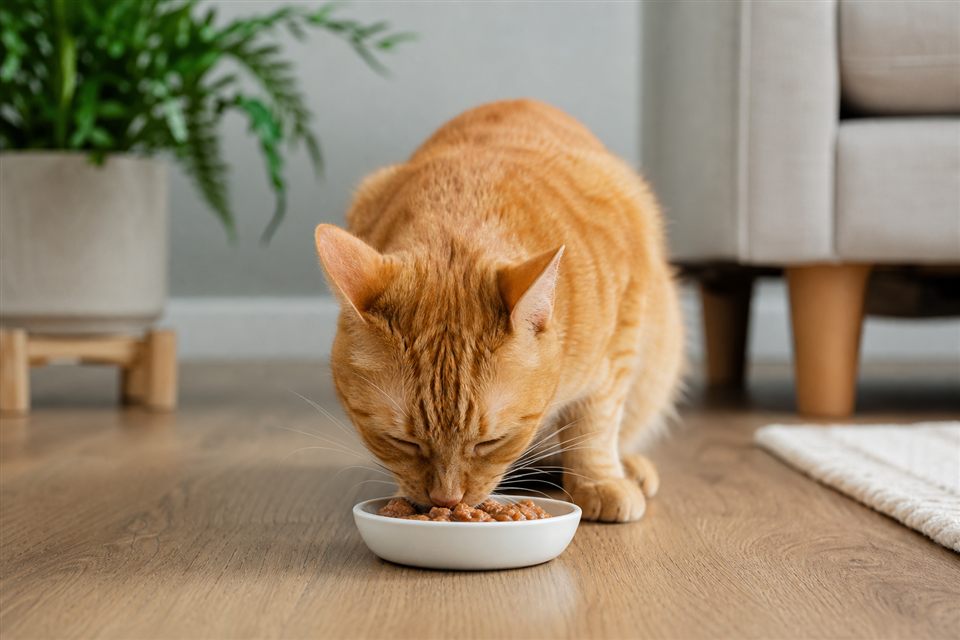
Picture a cat lapping milk from a saucer — classic image, questionable biology. Most adult cats produce little lactase, the enzyme that digests lactose sugar in cow's milk. A few tablespoons can mean loose stool, gas, and belly pain twelve hours later. Kittens drink milk; grown cats are not small kittens with whiskers.
Key points at a glance
- Cow's milk is not a natural food for adult cats — water and balanced cat food cover hydration.
- Lactose intolerance is common after weaning — not an allergy, but digestive inability.
- Small amounts of lactose-free pet milk cause fewer issues for some cats — still treat calories.
- Kittens need species-appropriate formula — cow milk fails nutrition and digestion.
- Diarrhea after milk dehydrates quickly in small cats — stop offering and provide water.
Why kittens tolerate milk — briefly
Kittens produce lactase while nursing queen's milk. Weaning reduces enzyme levels. By adulthood, many cats lack enough lactase to split lactose in dairy from cows, goats, or sheep.
Some individuals retain partial tolerance — occasional cat drinks milk without obvious signs — but "no diarrhea" does not mean ideal nutrition.
What happens when lactose-intolerant cats drink milk
Undigested lactose ferments in the colon:
- Soft stool or diarrhea
- Flatulence
- Abdominal discomfort — hunched posture, less playful
Severity depends on volume and lactose concentration. Whole milk, cream, and ice cream carry more lactose and fat — double trouble for pancreatitis-prone cats.
Is any milk ever okay?
| Product | Notes |
|---|---|
| Cow's whole or skim milk | High lactose — avoid routine use |
| Lactose-free "cat milk" treats | Lower risk; still calorie-dense treats |
| Goat milk | Still contains lactose — not a magic fix |
| KMR or kitten formula | For orphaned kittens per label — not for adults |
| Plant milks (oat, almond) | Not toxic in tiny sips often, but not nutritious; some add sugar |
Treat products marketed for cats should stay under 10% of daily calories.
Kittens without a queen
Never substitute cow's milk for kitten formula. Orphans need commercial kitten milk replacer (KMR) on schedule with proper bottle technique. Cow's milk causes diarrhea, dehydration, and poor growth. Emergency vet or foster groups can supply formula fast.
Milk vs. dairy foods
- Plain hard cheese — lower lactose in small shreds occasionally tolerated.
- Yogurt with live cultures — some lactose broken down; still optional treat only.
- Butter-heavy dishes — fat risk outweighs lactose question.
None replace complete kitten or cat food.
When milk hides a bigger problem
Cats begging at cereal bowls may be bored, seeking fat/protein, or thirsty. Ensure:
- Fresh water daily in wide bowls away from litter.
- Wet food portion if hydration is the goal.
- Enrichment if begging is attention-seeking.
Senior cats with sudden odd cravings deserve blood work — metabolic disease changes appetite patterns.
The bottom line
Adult cats and cow's milk are a poor match for most digestive systems — lactose intolerance is the norm, not the exception. A commercial lactose-free cat treat now and then beats a saucer of whole milk. Orphan kittens need proper formula, not the grocery dairy aisle. When in doubt, offer water and cat-appropriate food instead of folklore feeding.
This article is for general education only and does not replace advice from a licensed veterinarian.